Kastellorizo Archaeological Museum
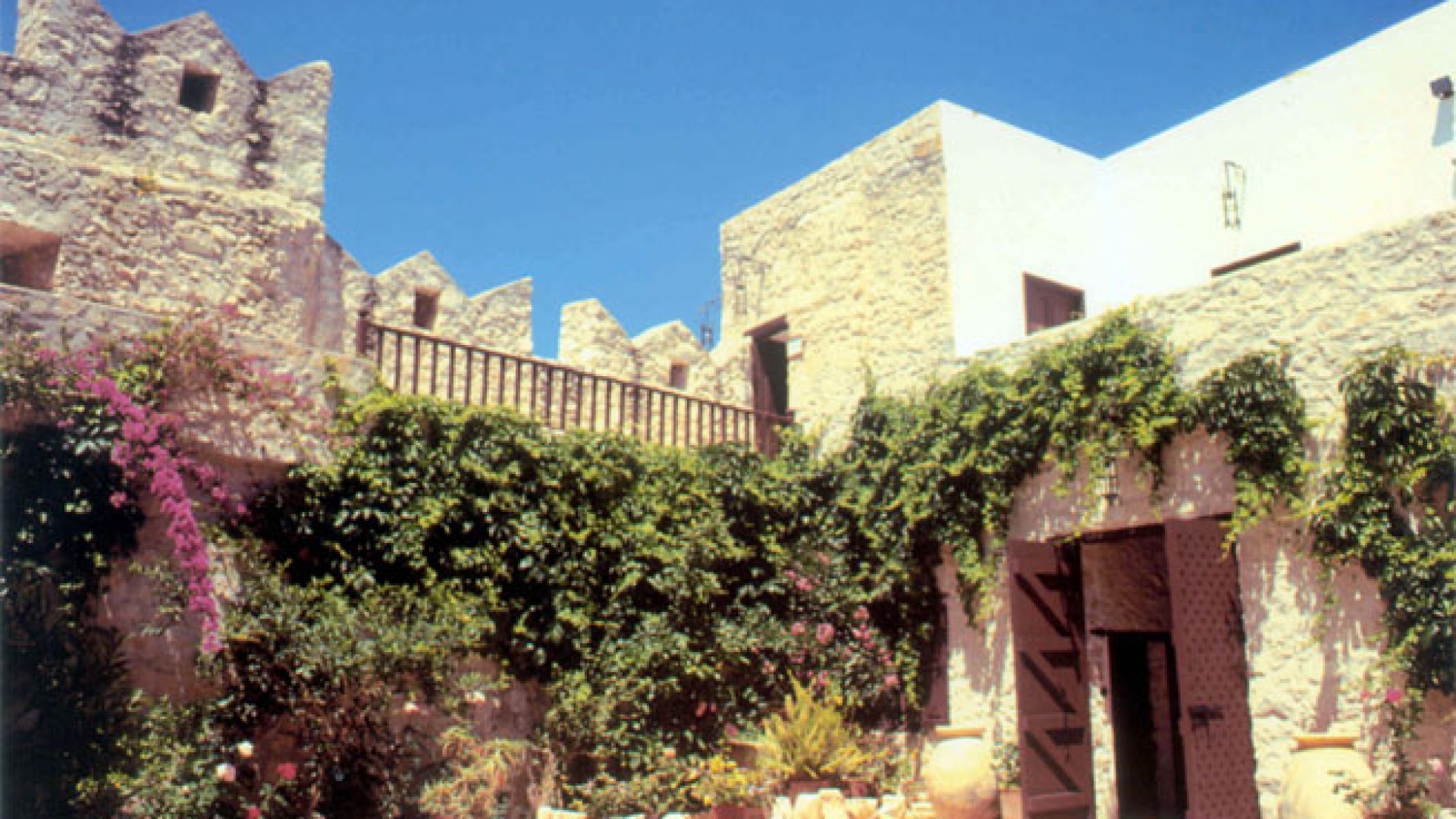
The Archaeological Museum of Kastellorizo has been housed since 1984 in the “Konaki,” a historic building that forms part of the medieval Castle of Saint Nicholas.
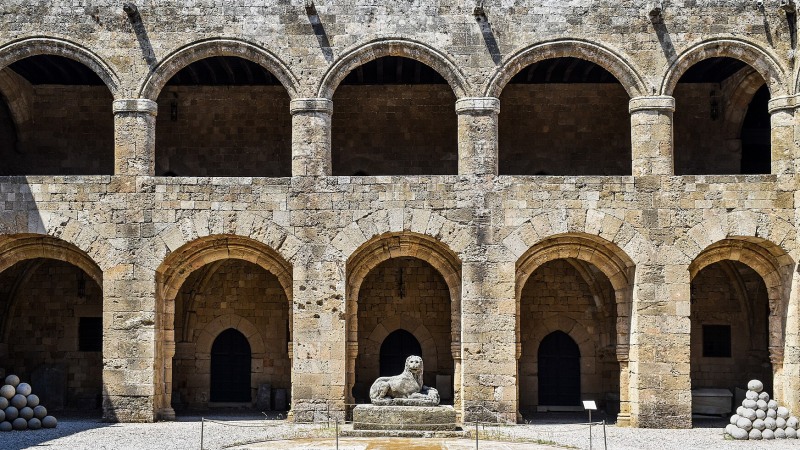
Located in the “Kavos” district of the island, the museum is set in a two-storey structure whose ground floor dates back to the period of the Knights Hospitaller, while the upper floor was added during the 19th century under Ottoman rule.
The museum presents the rich history and cultural heritage of Kastellorizo through collections that span from antiquity to modern times. The ground floor consists of three exhibition areas. The first displays Early Christian sculptures, including capitals and templon pillars. The second contains stone anchors and amphorae recovered from the sea, reflecting the island’s long maritime tradition. The third area is dedicated to sponge diving, featuring a diver’s suit and traditional diving equipment that highlight an important aspect of the local economy and way of life.
The upper floor is divided into four exhibition halls. The first hall showcases finds from ancient Megisti, the ancient name of Kastellorizo, including inscriptions, funerary stelae, reliefs of Lycian type, altars, pottery, lamps, amphorae, stamped amphora handles, fragments of Roman sarcophagi, and part of a marble statue of Hygieia. These exhibits illustrate the island’s significance in antiquity and its connections with the wider eastern Mediterranean world.
The second hall focuses on the Byzantine and medieval periods. Among the exhibits are Early Christian sculptures, a Byzantine coin transformed into jewelry, a steatite icon of Saint Demetrios, and representations of the Castle of Saint Nicholas. The hall also presents glazed pottery recovered from a shipwreck near Cape “Afros,” dating to the 12th–13th centuries, along with texts and accounts from travelers who visited the island through the centuries.
The third hall is dedicated to post-Byzantine religious art and monuments. Visitors can admire wall paintings from the Church of Saint Nicholas dating to the 17th century, portable icons, objects of ecclesiastical art, and photographs and drawings of the island’s post-Byzantine monuments.
The fourth hall presents the folk culture of Kastellorizo. Traditional costumes, embroidery, ceramics, and examples of local folk art are displayed, while part of the exhibition recreates the kitchen of a traditional island house, offering visitors a glimpse into everyday life on Kastellorizo in past centuries.
The building itself is also an important historical monument. During the period of the Knights Hospitaller, the ground floor formed the western end of the Castle of Saint Nicholas, as evidenced by its architectural structure and cannon openings on the western and northern sides. In the late 19th century, the upper floor was added and became the residence of the Ottoman governor, giving the building the name “Konaki.” Restoration work by the Archaeological Service began in 1975, and in 1984 the building officially opened to the public as the Archaeological Museum of Kastellorizo.