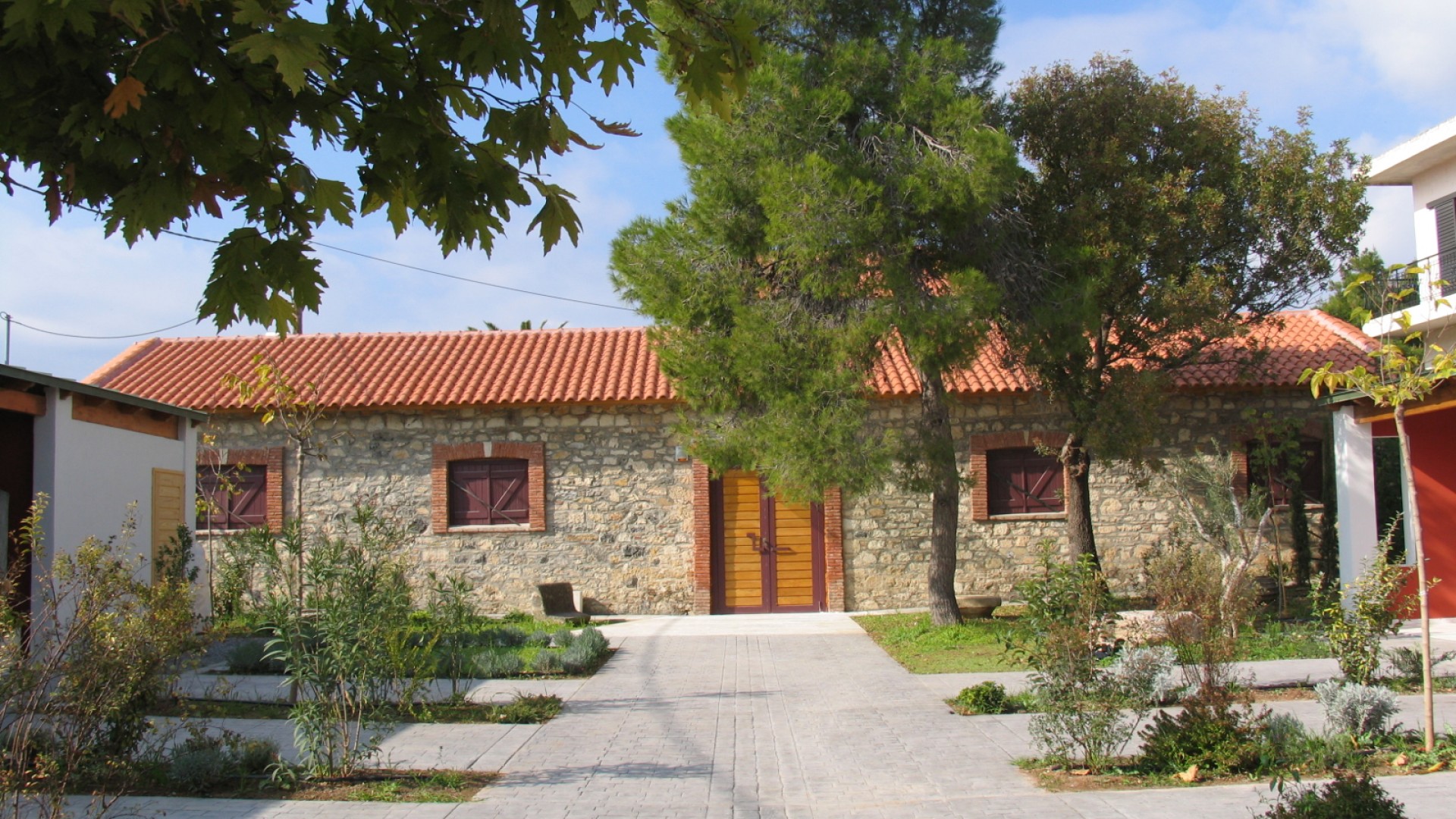
Schimatari Museum Boeotia
The renovated Archaeological Museum of Schimatari reopened to the public in 2006.
Through its mainly funerary exhibits, visitors can follow the evolution of Tanagraean art across the centuries and gain insight into the history of the objects, as well as the myths, cults, and burial practices associated with them. Inscriptions, authentic testimonies of the ancient history of the region, provide valuable information about festivals, economy, administration, and cultural and commercial contacts with other areas.
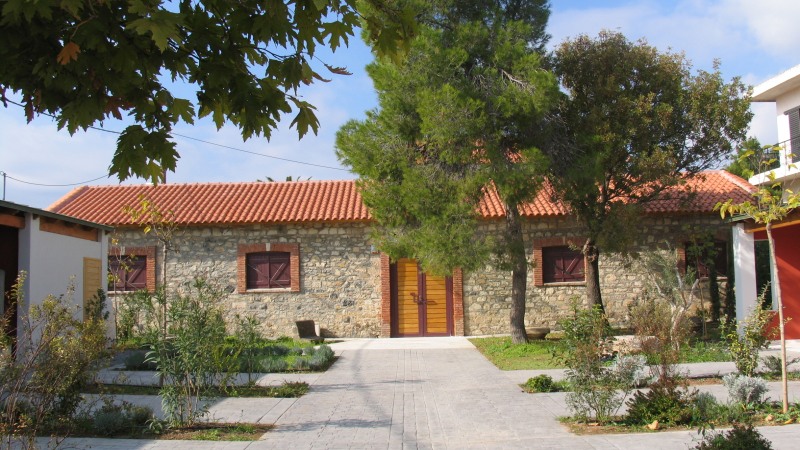
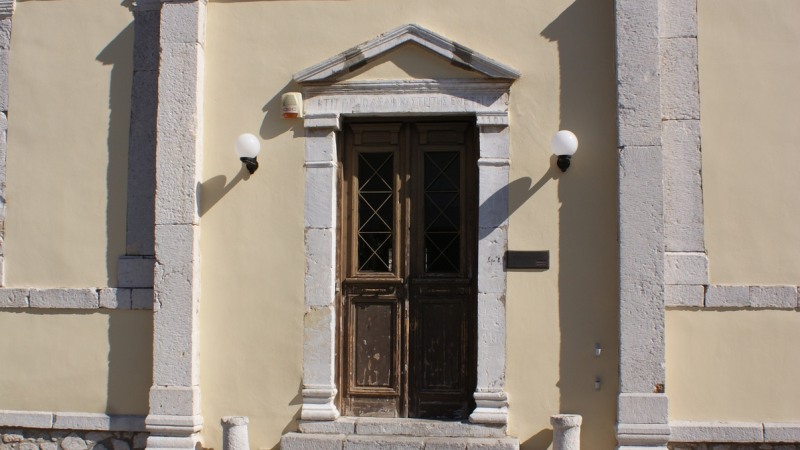
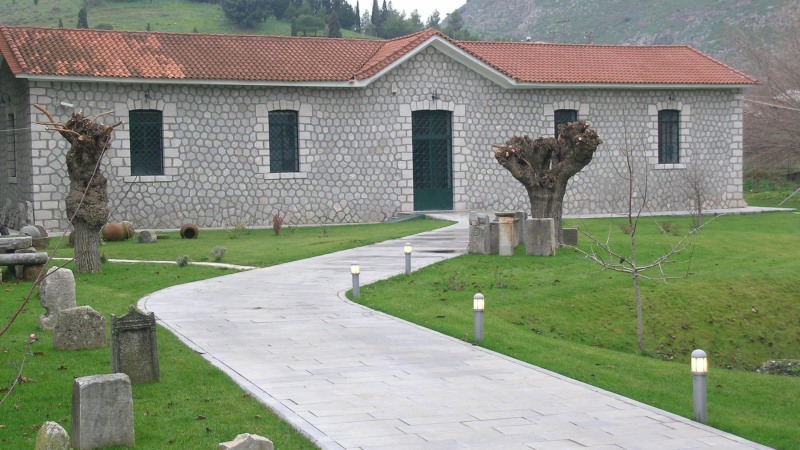
The museum is housed in the original building founded in 1890 by the Archaeological Society of Athens. Its exhibits, displayed in the courtyard and five exhibition halls, cover a wide chronological range from prehistoric times to the early Christian period.
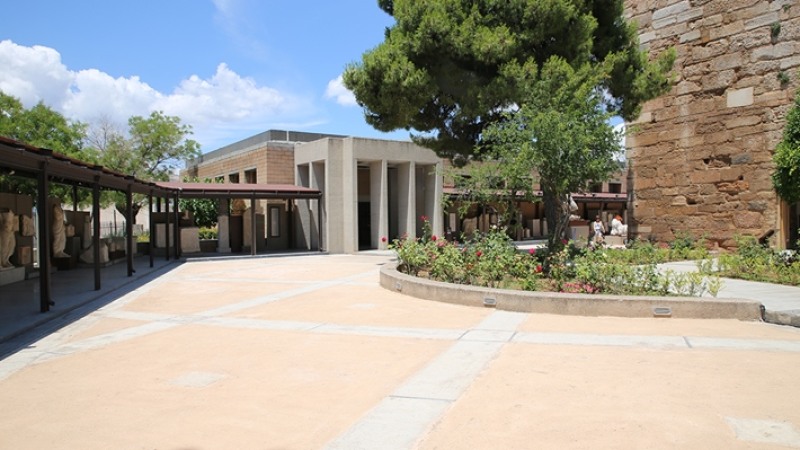
In the courtyard, two large colonnades present funerary monuments, architectural elements from public buildings and sanctuaries, as well as early Christian inscriptions related to burial customs and beliefs about the afterlife.
The entrance hall provides general information about ancient Tanagra and its wider region, including its myths, sanctuaries, funerary customs, and the history of archaeological research and illicit excavations. The prehistoric gallery displays finds from southeastern Boeotia, including painted larnakes, figurines, pottery, and jewellery from chamber tombs, as well as carved stone objects depicting ships.
The Archaic, Classical, Hellenistic, and Roman galleries present funerary monuments, grave goods, sculptures, inscriptions, and votive offerings. Highlights include the inscription of Tanagraean soldiers who fell at the Battle of Delium, small marble sculptures such as Aphrodite figurines, and large Roman statues, as well as reliefs depicting priests and devotees of deities such as Hermes, Dionysus, and Isis.
Overall, the museum offers a comprehensive view of the artistic and historical development of ancient Tanagra, highlighting its role as an important cultural centre of Boeotia.