Folklife and Ethnological Museum of Macedonia and Thrace
The Folklife & Ethnological Museum of Macedonia–Thrace (LEMM–Th) in Thessaloniki is one of Greece’s most important institutions dedicated to the study and preservation of traditional culture in Northern Greece.
Its origins are closely linked to the Macedonian Educational Association, founded in 1871, which began systematically collecting folkloric material in the early 20th century. Over time, this effort evolved into a structured museum collection representing the everyday life of rural societies in Macedonia and Thrace.
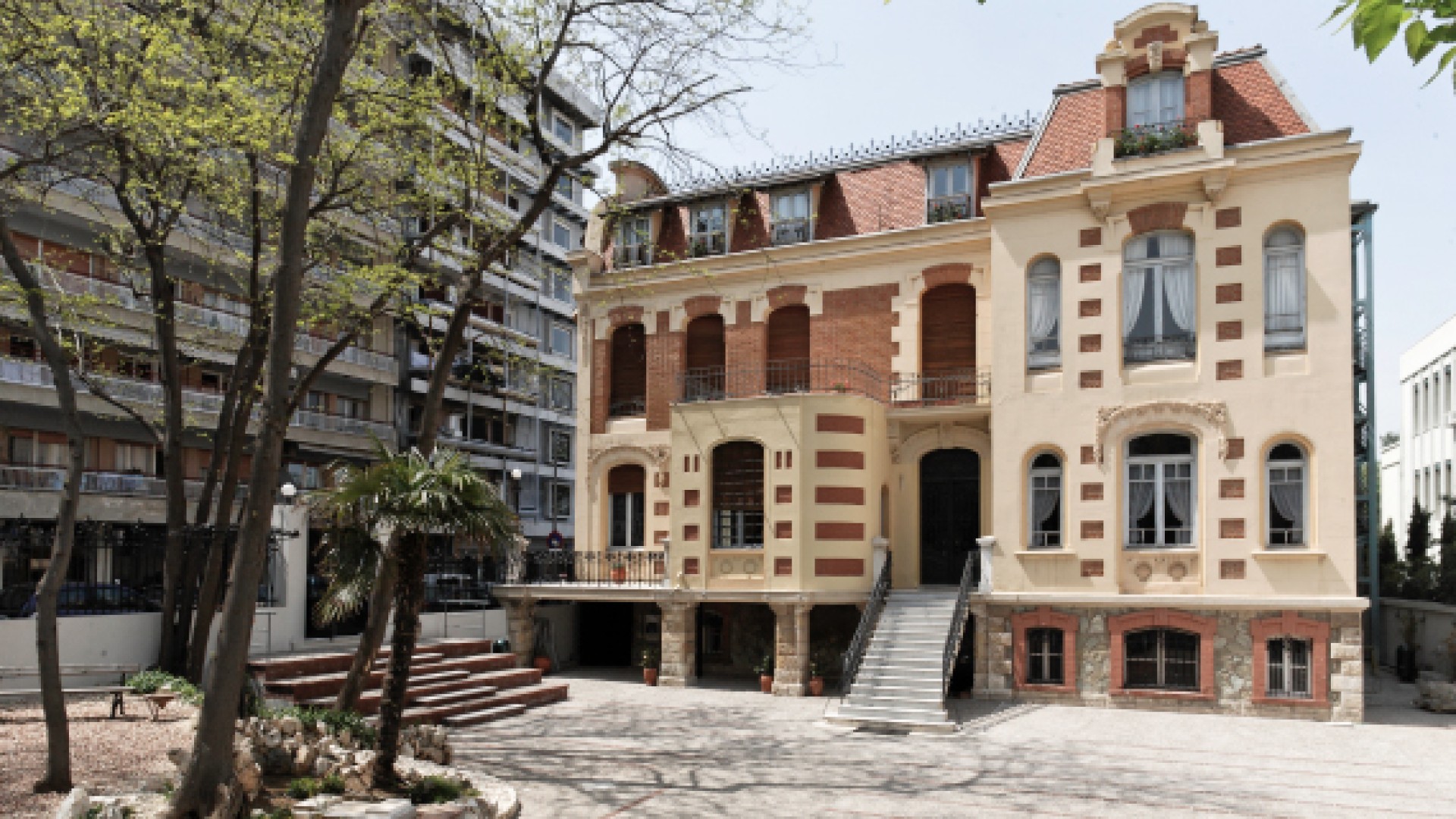
The museum was officially established as a legal entity in 1957 under the name Folklife Museum of Northern Greece. In 1970 it became the Folklife and Ethnological Museum of Macedonia, and later expanded its scope to include Thrace. Since 2000, it has been housed in the historic Modiano Villa (“Old Government House”) in eastern Thessaloniki, a landmark early 20th-century mansion originally designed by architect Eli Modiano in an eclectic architectural style with Art Nouveau influences.
The building itself is a significant cultural monument. It has served various roles throughout its history, including a private residence, a royal residence, administrative headquarters, and educational institutions, before being restored and converted into a museum space. Today, it preserves its architectural elegance while functioning as a modern exhibition venue.
The museum’s mission is to collect, document, preserve, and present the cultural heritage of Macedonia and Thrace, with a focus on traditional life, crafts, customs, clothing, and technologies of pre-industrial societies. Its permanent exhibitions explore themes such as traditional mills, rural technologies, and folk costumes from the 19th and 20th centuries.
Beyond its exhibitions, the museum plays an important educational and research role. It organizes cultural programs, supports academic study, and offers visitors insight into the everyday life and cultural identity of the region’s past communities. Through its collections and activities, it contributes to the understanding and appreciation of Macedonia and Thrace’s rich ethnological heritage.