Museum of Byzantine Culture
The Museum of Byzantine Culture in Thessaloniki is one of the most important museums in Greece, dedicated to the Byzantine and post-Byzantine heritage.
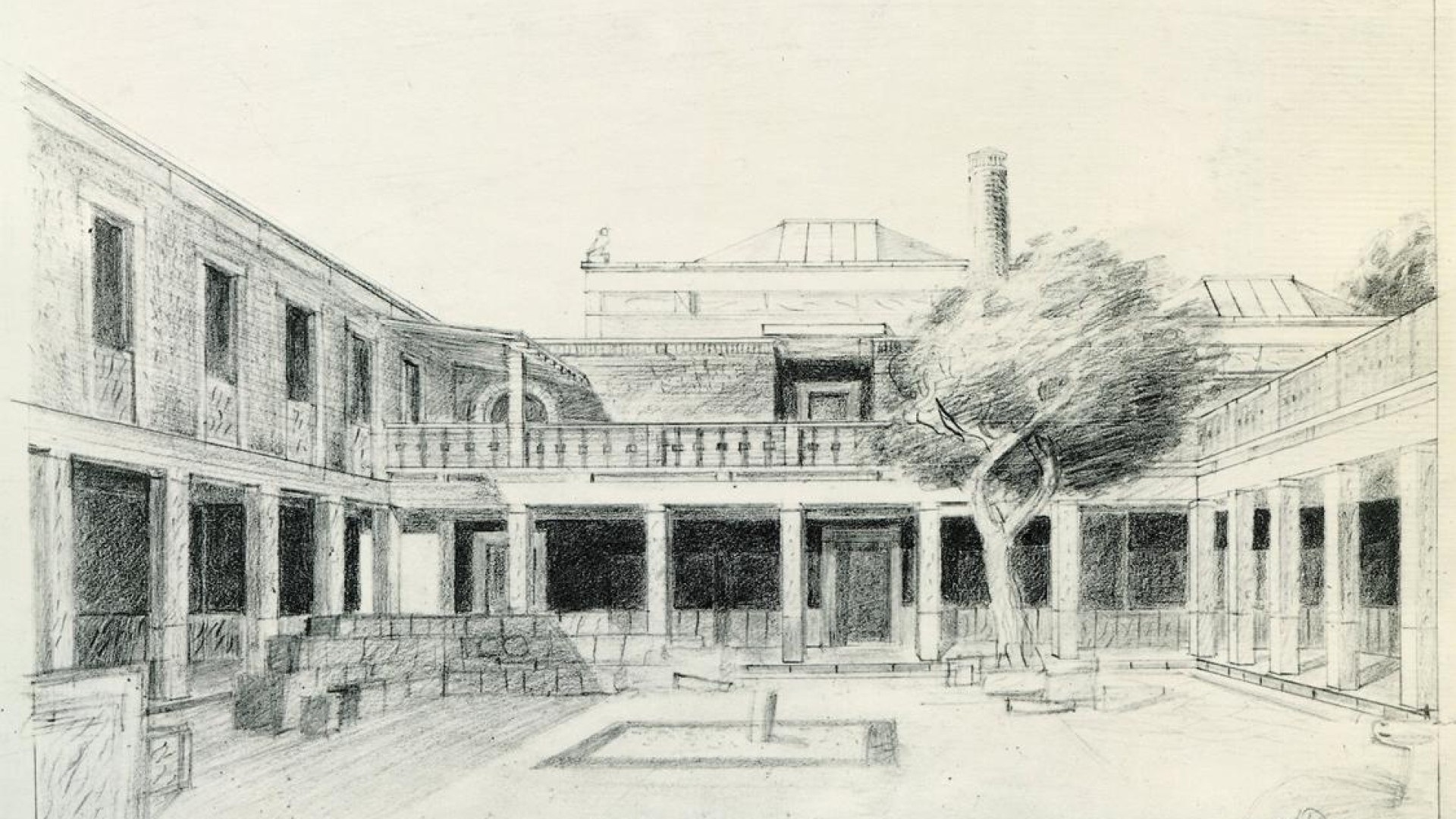
Its establishment is linked to a long historical process that began in the early 20th century and culminated in the opening of the modern museum building in 1993. The building was designed by architect Kyriakos Krokos and was created to house and highlight the cultural heritage of Macedonia and the Byzantine world.
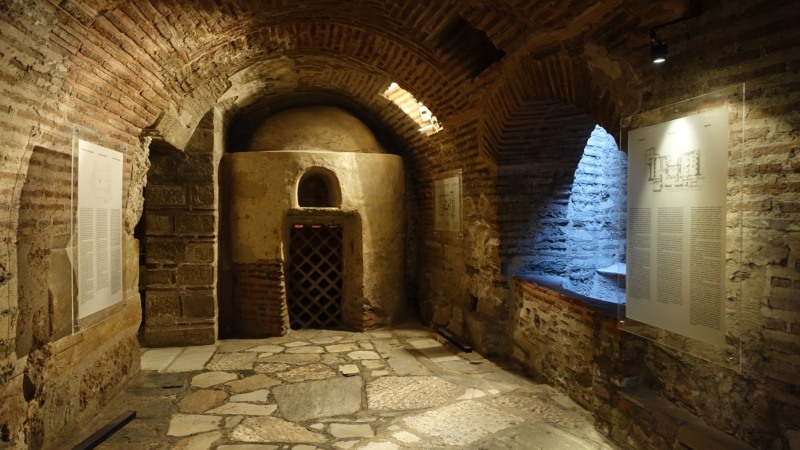
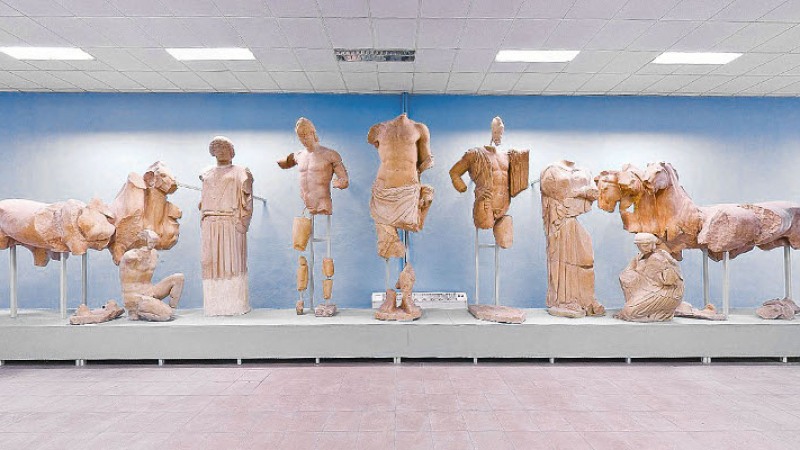
The museum functions as a scientific and educational institution open to the public, with the aim of collecting, preserving, studying, and presenting objects from the Early Christian, Byzantine, medieval, and post-Byzantine periods. Its collections include artifacts from across Macedonia and Northern Greece, covering a wide historical and artistic range from antiquity to more recent times.
The museum building is considered an important example of modern Greek architecture, featuring large exhibition halls, atriums, temporary exhibition spaces, auditoriums, and auxiliary facilities that support educational programs, conferences, and cultural events. Its design emphasizes the visitor’s interaction with the exhibits, creating an experience of exploration and historical reflection.
Today, the museum operates as a living cultural organization that not only preserves Byzantine heritage but also presents it to the public through exhibitions, activities, and educational initiatives, strengthening the connection between history and the contemporary visitor.