Museum of Roman Forum
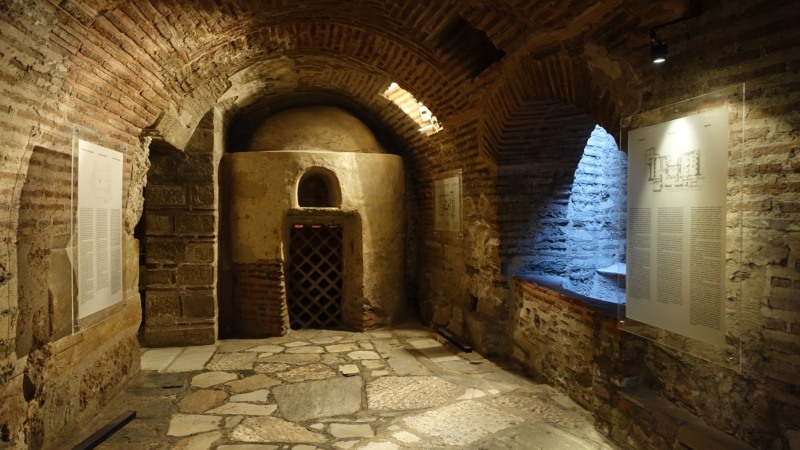
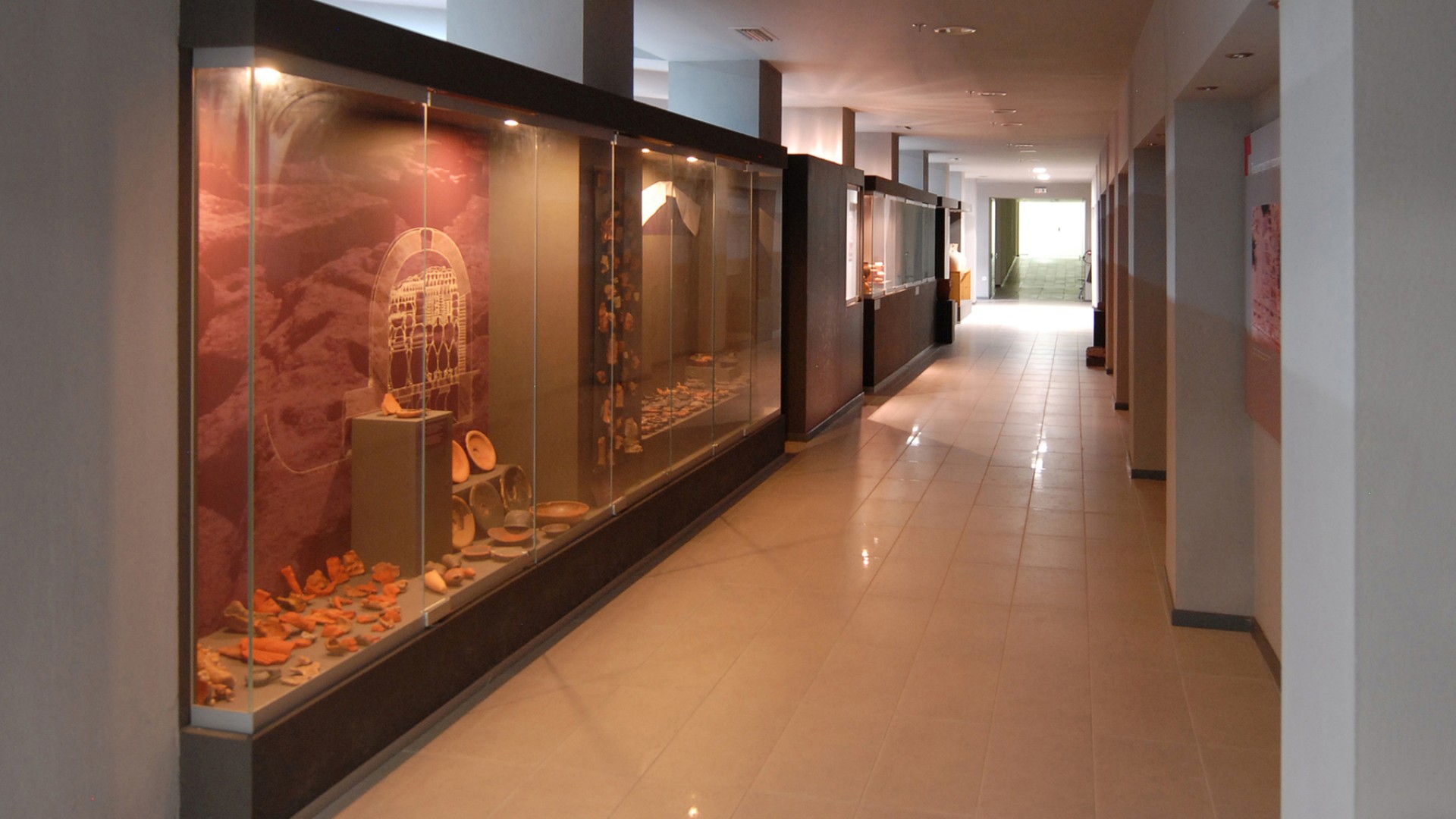
The Museum of the Roman Agora of Thessaloniki is housed in a modern underground building, specially designed to support the presentation of the archaeological site in the western section of the ancient marketplace
The building is organized into three main sections: the entrance vestibule, which serves as an introductory space to the history of the site; the central hall with its side corridors, where the main narrative of the exhibition unfolds; and a multipurpose room used for educational and cultural activities.
Visitors enter through the Crypt Portico, while the exit leads to the northwestern part of the archaeological site’s square, allowing a natural flow through the monumental complex. The exhibition is based on findings from excavations carried out between 1962 and 1999 and is enriched with extensive interpretive material that helps visitors understand both the history of the Roman Agora and the broader evolution of Thessaloniki from the 3rd century BC to the present day.
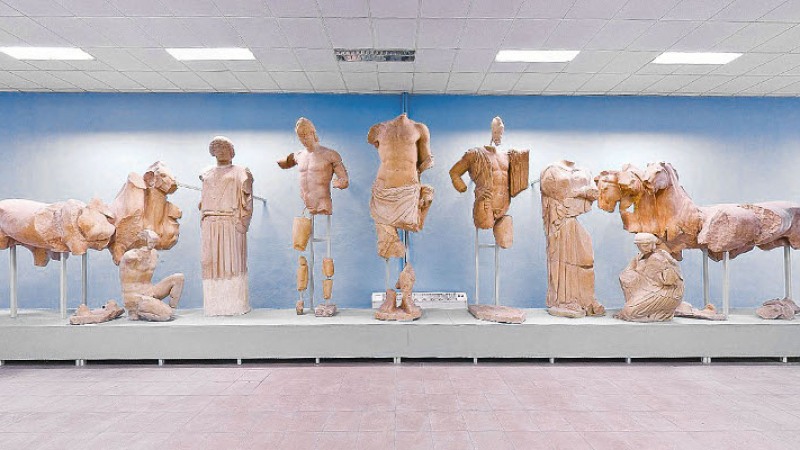
The exhibition is structured around three thematic sections. The vestibule focuses on the modern era, presenting the history of the excavations and the restoration work of the site. The eastern corridor explores the period before the establishment of the Agora, while the central hall highlights the public character of the space and the main phase of the Roman Agora, including key structures such as the bath complex, the square, the odeon, and the colonnades. The exhibition concludes with nearby Roman buildings that are closely connected to the Agora, offering a comprehensive picture of life and urban organization in the ancient city.