Hellenic Museum of Zagora
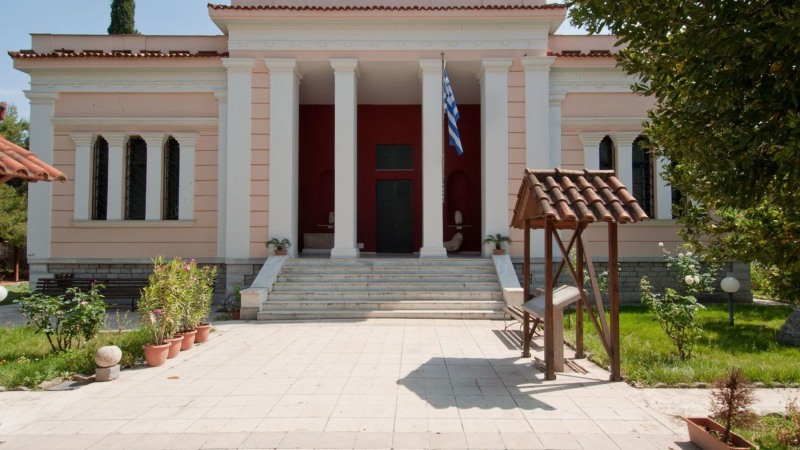
The Hellenic Museum of Zagora is a major historical and cultural site of Pelion, reflecting the area’s long-standing educational and intellectual tradition.
From the early 18th century, Zagora emerged as one of the most important centers of learning in Thessaly. The first school operated in the Monastery of the Saviour and later moved to the courtyard of the Church of Saint John the Baptist, as the need for a larger educational institution grew.
The first phase of organized teaching began in the early 18th century with the support of local benefactors and the church. A key figure of this period was the hieromonk Zacharias, regarded as the first teacher of the school. He was followed by several other learned educators who contributed to the spread of Greek education in the region.
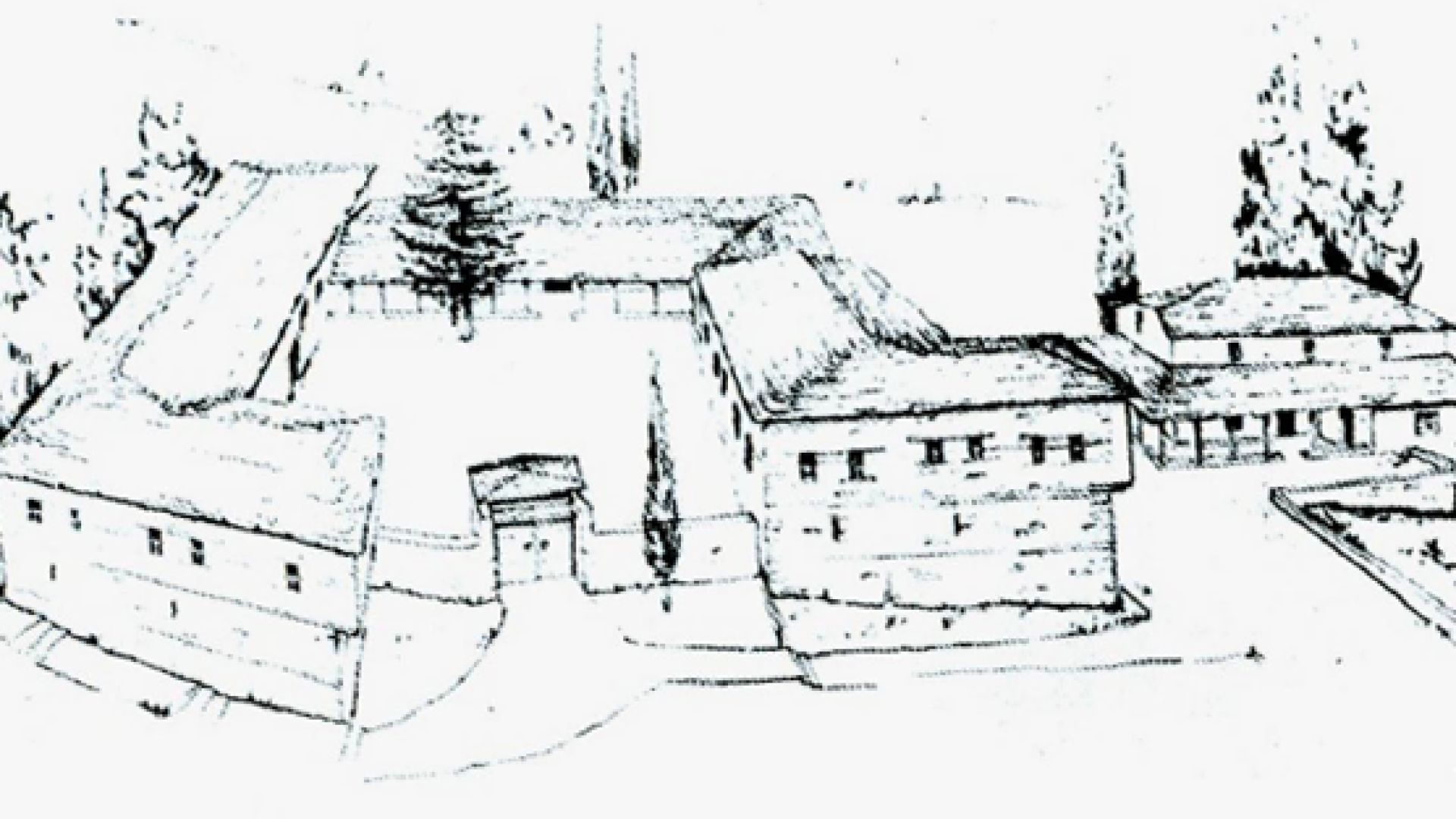
The second and most significant phase of the school began in 1777, when, with the support of Patriarch Kallinikos III and the benefactor Ioannis Pringos, the institution was upgraded into a higher-level educational establishment known as the “Hellenomouseio of Zagora.” The complex included classrooms, a library, a boarding facility, and a teacher’s residence. The library was particularly important, containing rare books, scientific works, and maps, and attracting students and scholars from a wide area.
Throughout its history, the school became widely known for its high academic level. Subjects such as ancient Greek, philosophy, history, geography, mathematics, natural sciences, and foreign languages were taught. Among its most notable students was Rigas Feraios, a leading figure of the Greek Enlightenment and the struggle for independence.
The school ceased its operation with the outbreak of the Greek War of Independence. After its closure, the library collection was dispersed over time and stored in various locations. Today, the former hellenic museum functions as a folk museum, hosting exhibitions on the history and culture of Zagora, as well as artistic displays that highlight the region’s rich intellectual heritage.