Archaeological Museum of Gyroulas at Sangri
The Sangri Archaeological Collection is one of the most important archaeological sites on the island of Naxos and is closely connected to the Sanctuary of Demeter at Gyroulas, near the village of Sangri.
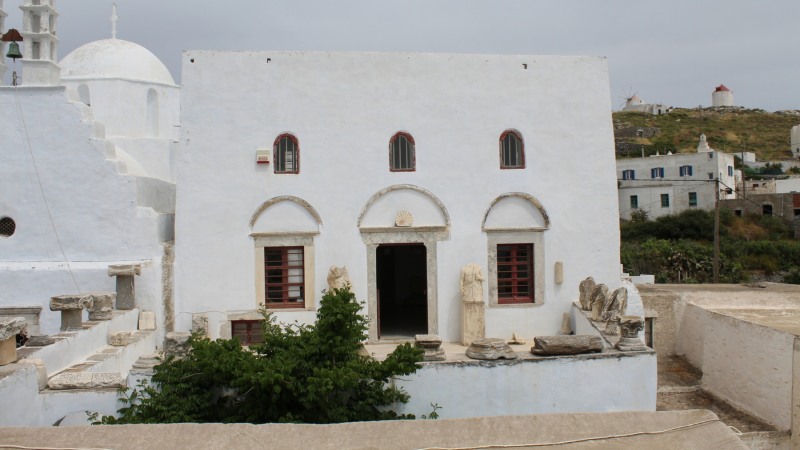
Established in 2001, the museum is located within the wider archaeological area surrounding the ancient sanctuary and offers visitors a unique insight into the religious, architectural, and cultural history of ancient Naxos.
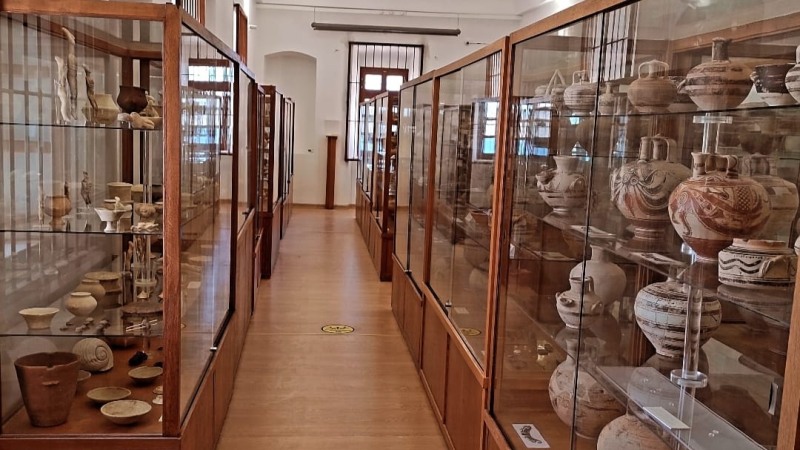
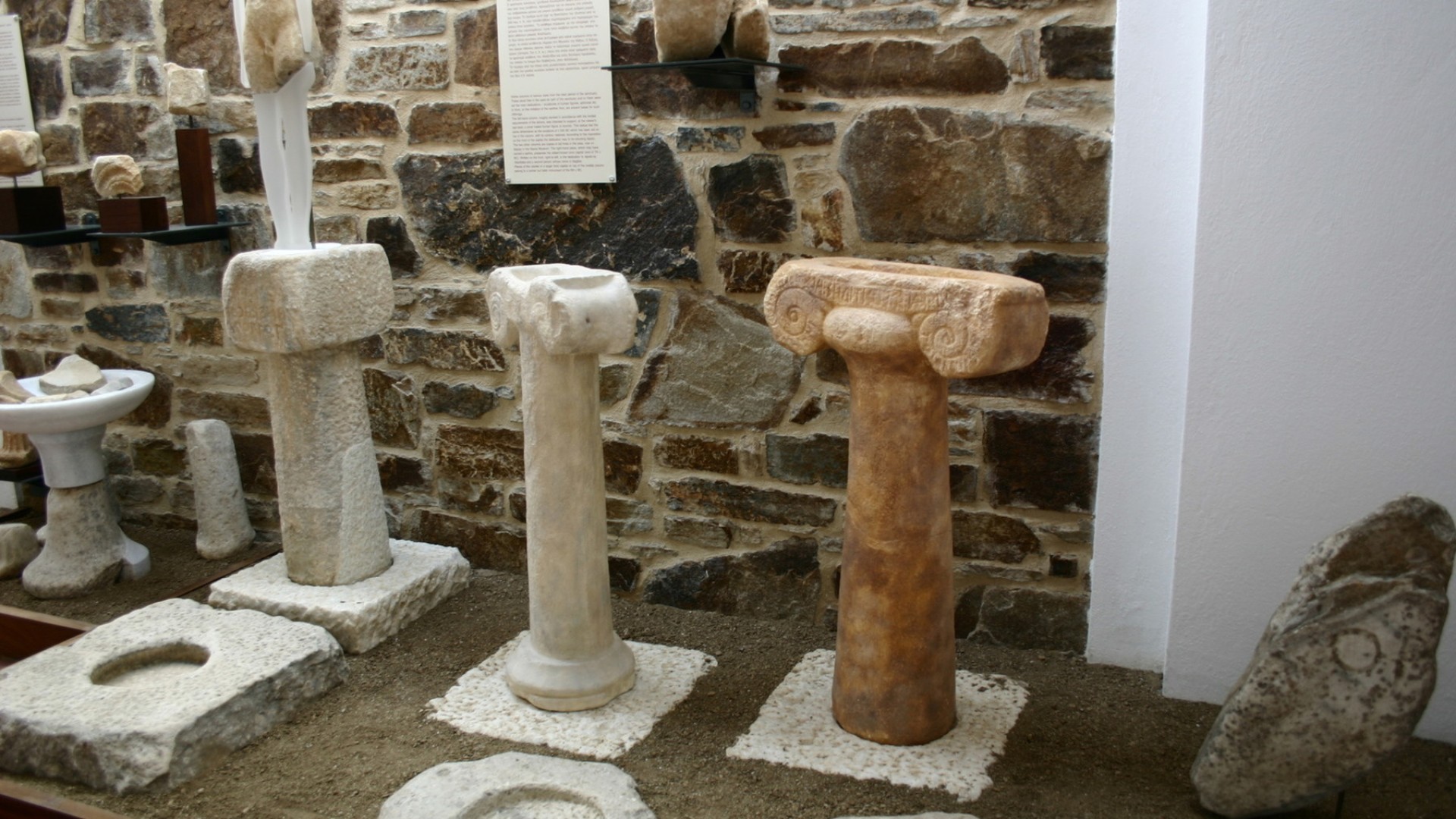
The Archaeological Collection is housed in a modern building that received the prestigious Europa Nostra Award for its architectural design and its harmonious integration into the natural landscape. The exhibition presents important findings uncovered during excavations at Gyroulas, including ancient pottery, tools, household objects, inscriptions, Kouros statues, and architectural elements from the temple such as columns, roof sections, and pedimental fragments. Marble pieces from the later Early Christian basilica that was built on the same site are also displayed.
The Sanctuary of Demeter is considered one of the finest examples of Archaic Greek architecture. The temple dates to approximately 530 BC and is associated with the rule of the tyrant Lygdamis, during a period when Naxos experienced remarkable prosperity and artistic development. The temple was constructed entirely of Naxian marble, including its roof, which was extremely rare for that period.
The monument is particularly important because it preserves early architectural innovations that later influenced Classical Greek architecture, including features that would eventually appear in the Parthenon almost a century later. The temple’s design included sophisticated optical refinements and curved architectural lines. Its marble roof tiles allowed natural light to filter softly into the interior, creating an impressive and atmospheric sacred space.
The sanctuary was most likely dedicated to Demeter, goddess of agriculture and fertility, and her daughter Persephone, although some offerings suggest that Apollo may also have been worshipped there. Religious activity at the site continued for many centuries. In the 6th century AD, the ancient temple was transformed into an Early Christian basilica, while a monastic complex later developed nearby, including installations for wine, olive oil, and ceramic production.
The restoration of the sanctuary during the 1990s, funded by the Greek Ministry of the Aegean and the European Union, is considered one of the most significant archaeological restoration projects in Greece. Today, visitors can admire both the restored ancient temple and the museum collection that documents the long and fascinating history of the site.
The Sangri Archaeological Collection and the Sanctuary of Demeter offer a remarkable journey through the architectural achievements, religious traditions, and cultural heritage of ancient Greece, making them one of the most valuable historical attractions on the island of Naxos.