Archaeological Museum of Naxos
The Archaeological Museum of Naxos is one of the most important museums in the Cyclades, presenting the rich cultural history of Naxos from the Neolithic period to the early Christian era.
The museum displays works of art and everyday objects uncovered through excavations carried out on the island after World War II, with artifacts dating from around 5300 B.C. to the 5th century A.D.
As the largest and most fertile island of the Cyclades, Naxos played a significant role in the development of Aegean civilization. Its favorable environment for agriculture and animal husbandry, combined with its natural harbors, contributed to its continuous cultural and commercial importance throughout antiquity. The island experienced its first major period of prosperity during the Early Cycladic era (2700–2300 B.C.), when it became one of the leading commercial and cultural centers of the Aegean.
Excavations over the last decades have revealed important archaeological sites across the island, including Grotta, Aplomata, Sangri, Yria, Melanes, Tsikalario, and Panormos. Many of the discoveries from these sites are now housed in the museum’s collections.
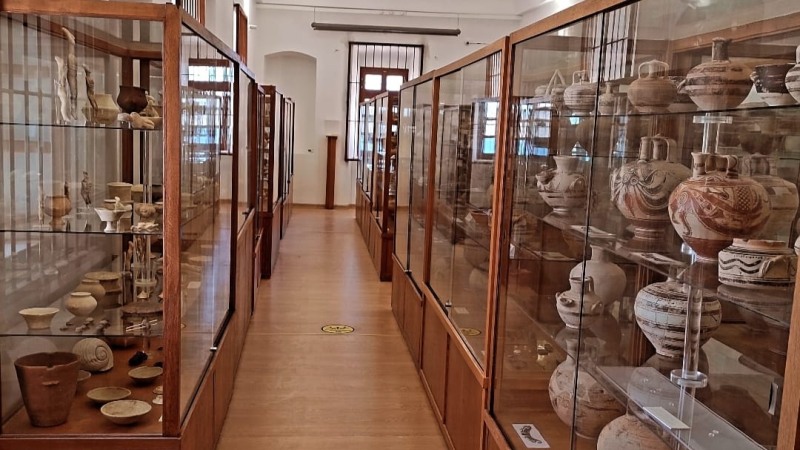
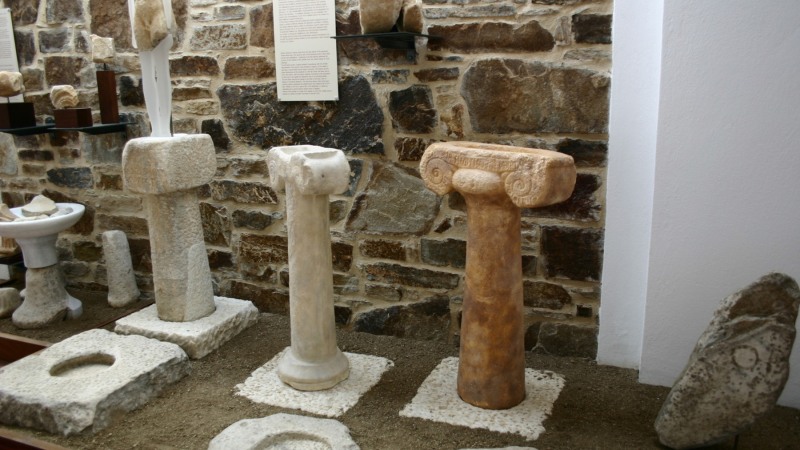
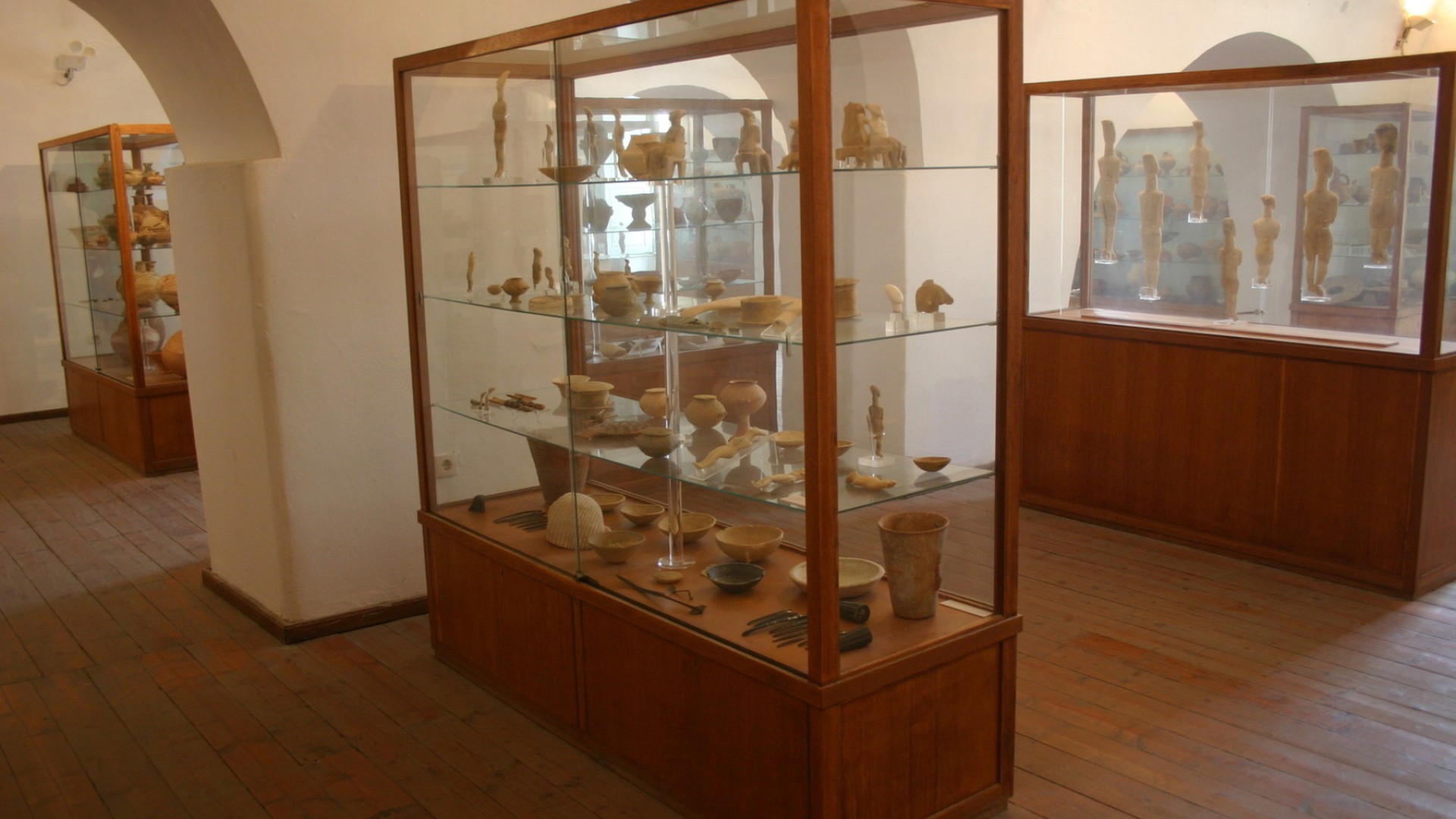
Among the museum’s most significant exhibits is its exceptional collection of Early Cycladic marble figurines, considered one of the finest in Greece after the collection of the National Archaeological Museum in Athens. The museum also contains impressive collections of Mycenaean and Geometric pottery, as well as ceramics and terracotta figurines from the Archaic, Classical, and Hellenistic periods. Artifacts from the Roman era include a particularly rich and interesting collection of glass vessels. Important examples of Archaic sculpture are also displayed.
The museum itself is housed in a remarkable historic building declared an official monument. Constructed between the 17th and 18th centuries during the period of Frankish rule, it is an impressive example of the architecture that flourished in Naxos at that time. The five-storey structure was built along the line of the Frankish fortification walls and incorporates two medieval towers. Originally intended to house a Jesuit school founded in the 17th century, the building later became a famous commercial school attended by notable students, including Nikos Kazantzakis.
In 1973, the building was granted to the Archaeological Service and transformed into the Archaeological Museum of Naxos. Today, the museum offers visitors a fascinating journey through the island’s long and influential history, combining exceptional archaeological collections with the atmosphere of a historic medieval building.