Archaeological Museum of Eretria
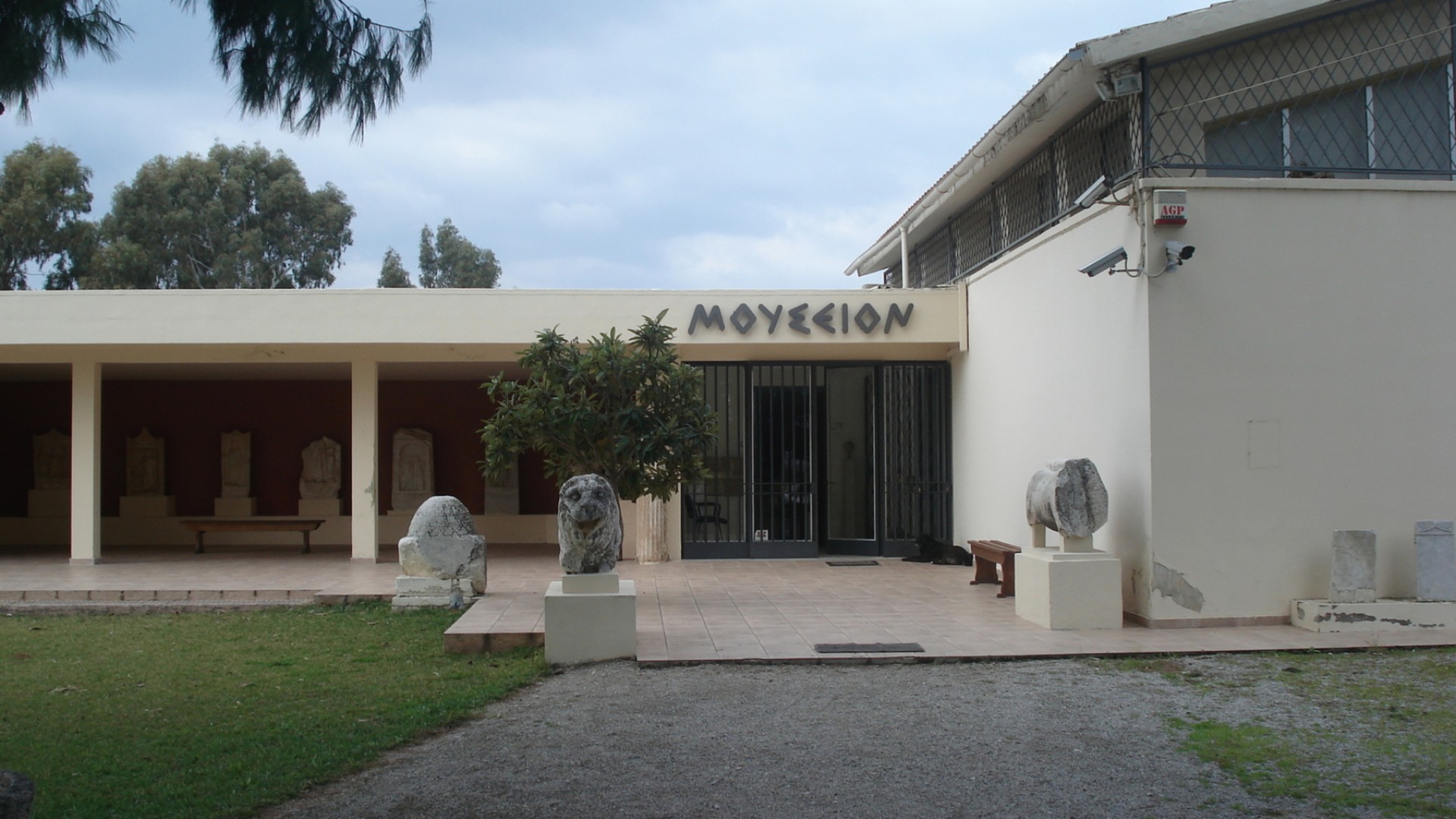
The Archaeological Museum of Eretria, in its modern form since 1991, presents the most important finds from excavations in ancient Eretria and the surrounding areas, including Toumba, Lefkandi (Xeropolis), and Amarynthos.
These artifacts span a long chronological range, from the Early Bronze Age to the Roman period, offering a continuous view of the region’s historical development.
The museum is the result of a long process of organization and development of archaeological collections on the island of Euboea. The first museum building was constructed in 1961 to house finds that were previously stored in small local facilities. Over time, important discoveries from Eretria and nearby sanctuaries were also exhibited in other museums in Greece and abroad. The present museum was officially inaugurated in 1991, forming part of a broader effort to present the archaeological wealth of Euboea in a systematic way.
The exhibition is organized both chronologically and thematically, allowing visitors to follow the evolution of life, art, and society in ancient Euboea. Informational panels, maps, and reconstructions help provide a clearer understanding of the archaeological context and the significance of the findings. The museum also highlights the historical importance of Eretria as a major ancient city with strong cultural and political influence.
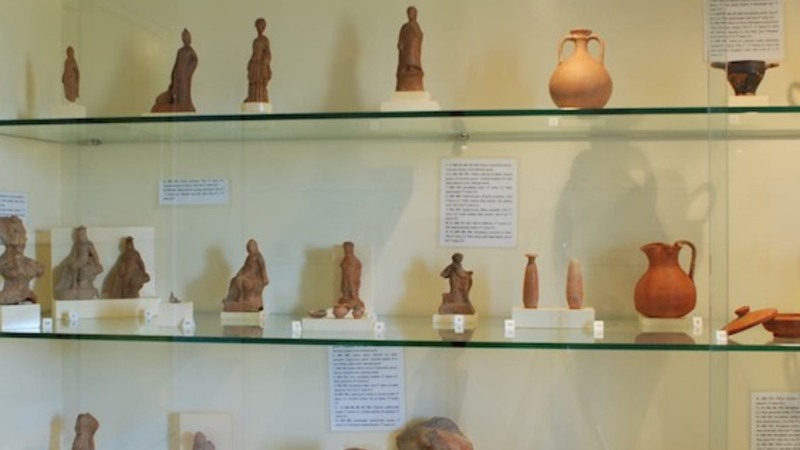
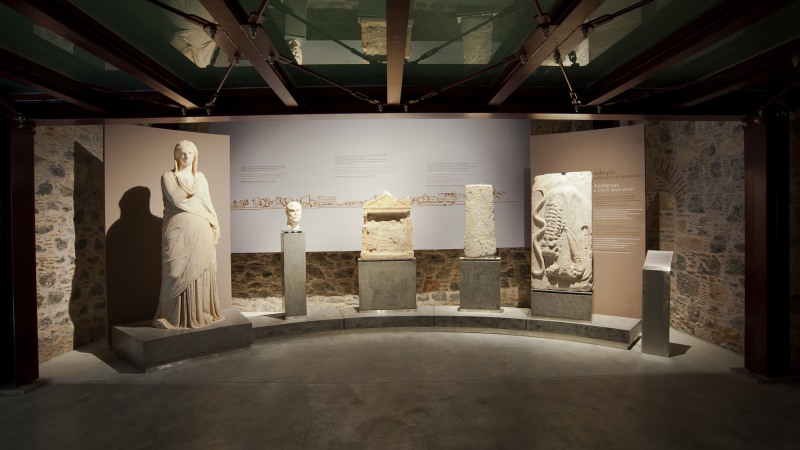
Among the most significant exhibits are finds from the settlement and cemetery of Amarynthos, material from Lefkandi, and important objects from Eretria itself. These include pottery, inscriptions, sculptures, and votive offerings, as well as artifacts related to the famous sanctuary of Apollo Daphnephoros. Particularly important are the sculptural remains of the temple, which are displayed in a dedicated hall close to their original place of discovery.
Overall, the Archaeological Museum of Eretria offers a comprehensive overview of the ancient history of the region and serves as a key cultural institution for understanding the development of Euboea in antiquity.