Archaeological Museum of Amfissa
The Archaeological Museum of Amfissa presents visitors with a comprehensive overview of the history and cultural development of ancient Phocis.
It was created to house and display finds from Amfissa and other archaeological sites across the region, covering a long chronological span from the Bronze Age to the early Byzantine period.
The museum is located in a typical two-storey urban building dating to the early 20th century, one of the few surviving structures of that period in the city. The building itself is of historical interest, reflecting the architectural character of its time and the urban history of Amfissa (ancient Salona). Over the years, it has served various purposes, including as a branch of the National Bank of Greece and as a gendarmerie station, before being handed over to the Ministry of Culture in 1987 for conversion into a museum.
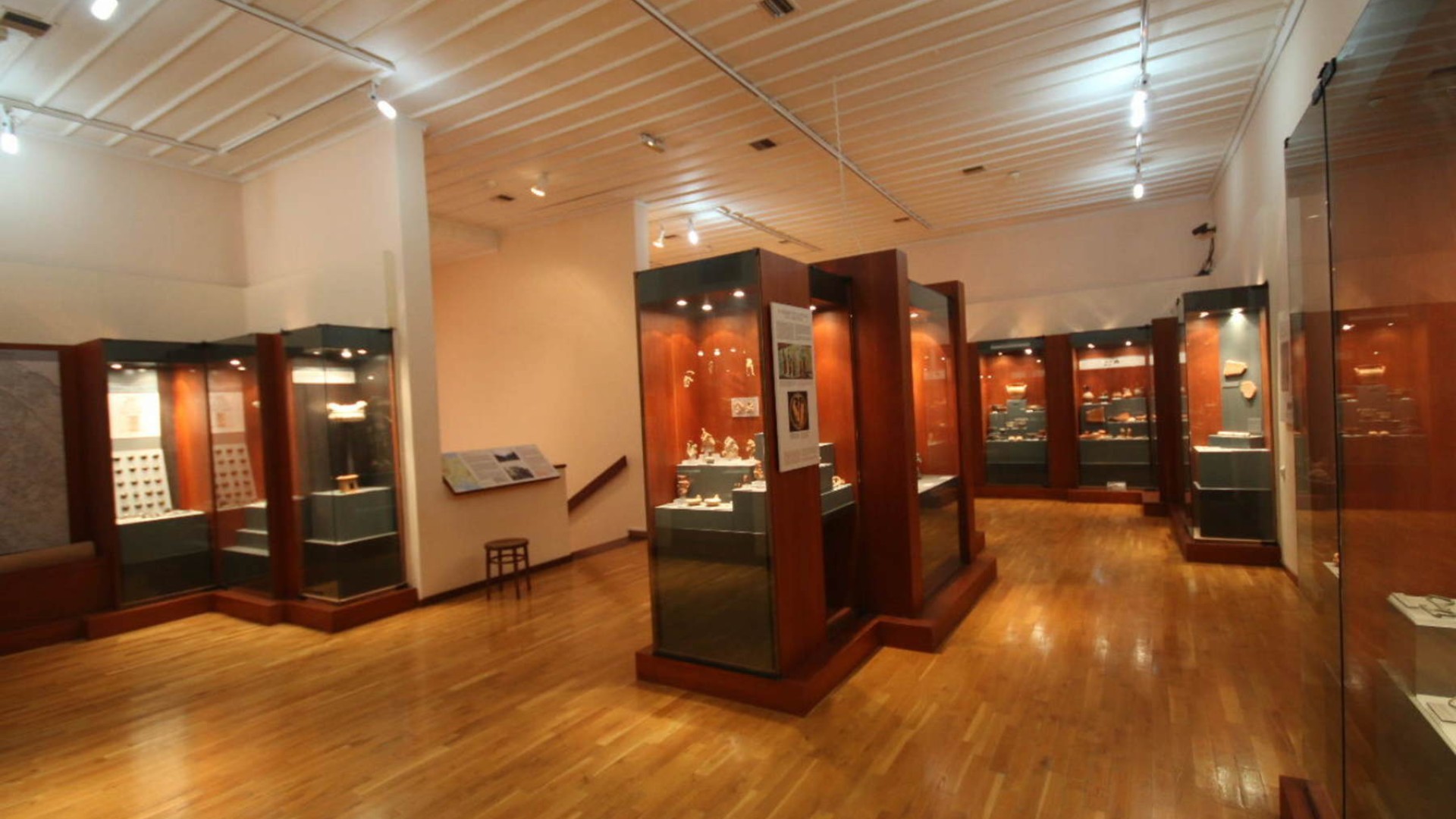
Following its restoration and adaptation, the building was reorganized to host permanent exhibition spaces on both floors, as well as a multipurpose hall. The courtyard is used for the display of inscriptions, while a nearby restored structure houses a conservation laboratory for archaeological materials.
The museum was officially opened in 2002 and operates under the supervision of the relevant Ephorate of Antiquities. Its establishment aimed not only to preserve and present archaeological finds from the region but also to promote local history and cultural identity, which until then had been largely overshadowed by the prominence of Delphi.
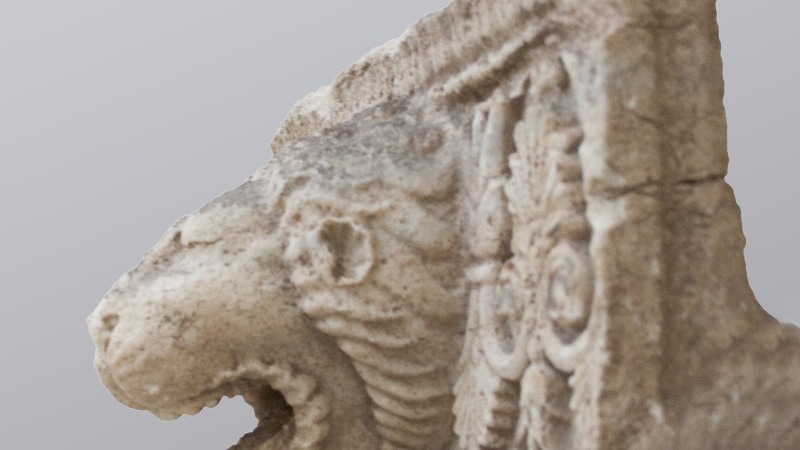
The collections include artifacts from excavations throughout Phocis, offering insights into everyday life, religious practices, and social organization over many centuries. A notable addition to the museum’s holdings is a collection of ancient coins donated by the pharmacist Drosos Kravartogiannos, which supports an educational exhibition on the history of money and trade from antiquity to modern times.
Today, the Archaeological Museum of Amfissa plays an important educational and cultural role, contributing to a deeper understanding of the region’s long and diverse historical heritage.