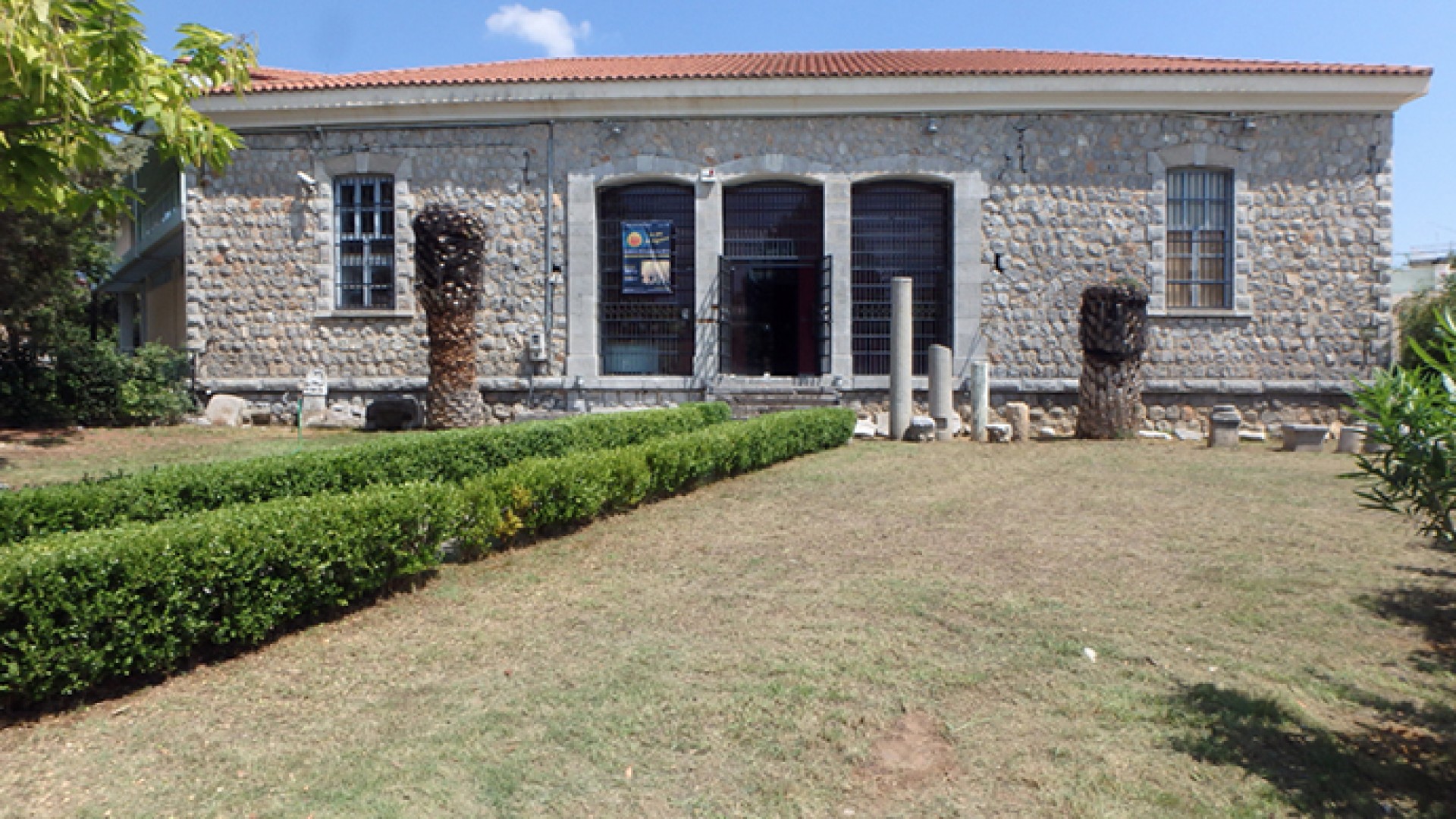
Archaeological Collection of Elateia
The Archaeological Collection of Elateia is located in the western part of Locris, an area that in antiquity belonged to northeastern Phocis.
The collection includes finds from a wide network of ancient settlements along the Kephissos River valley, such as Elateia, Amphikleia, Tithorea, Drymaia, Lilaia, and others. Due to its strategic position between northern and southern Greece, Elateia played a dominant role throughout antiquity, especially during the Hellenistic and Roman periods, when the region flourished economically and culturally.
The collection is housed in the restored building of the former public primary school of Elateia, dating from the 1920s. After being repaired by the Municipality, the building was granted to the Ministry of Culture for the exhibition of local antiquities. The museum presents material mainly from excavations conducted from the late 19th and early 20th centuries, as well as systematic archaeological research carried out in later decades.
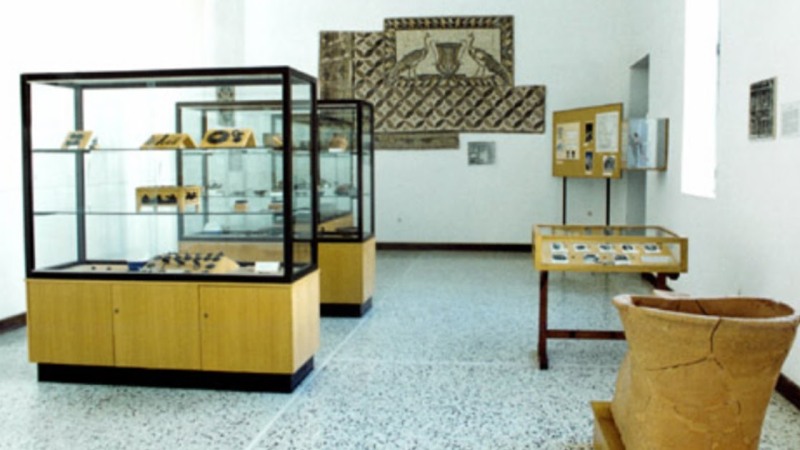
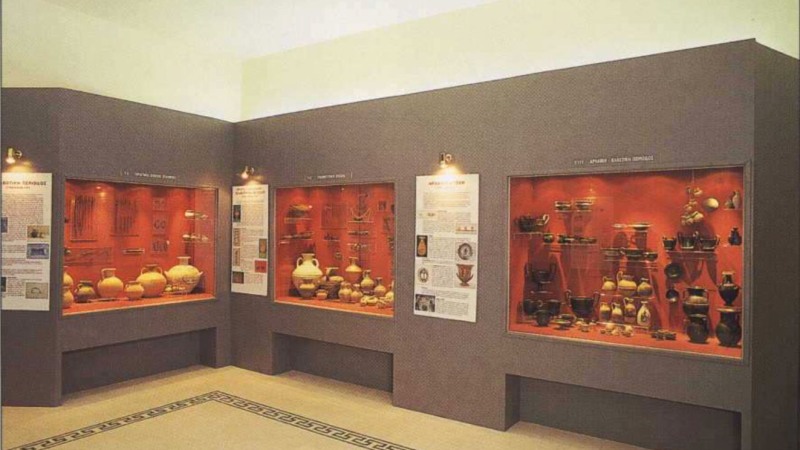
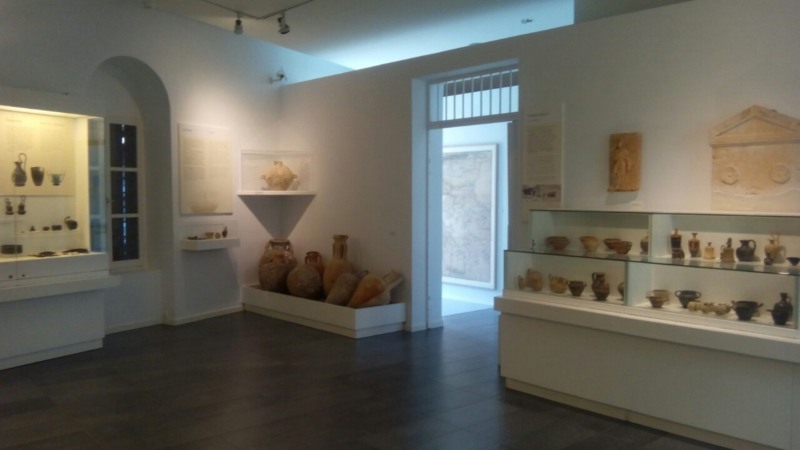
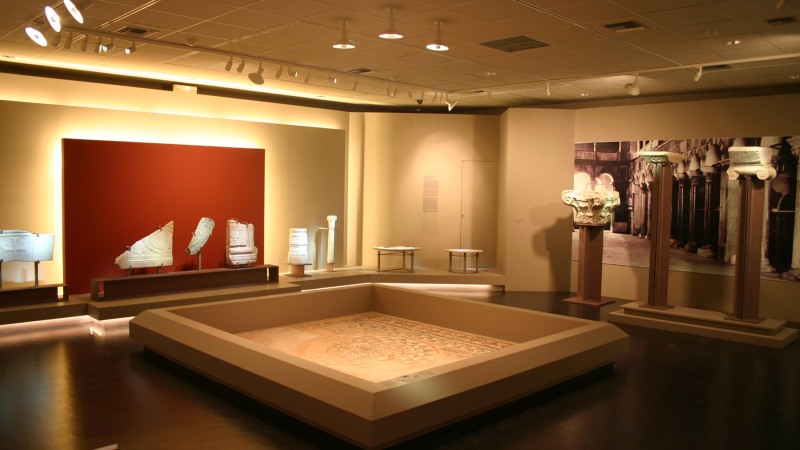
The exhibition is organised in a way that allows visitors to experience the artefacts within their historical and functional context. In the entrance area, funerary stelae, inscriptions, architectural fragments, and sculptures are displayed, mainly originating from Elateia and the sanctuary of Athena Kranaia. The main hall covers a broad chronological range from the Upper Paleolithic to the Sub-Mycenaean period, featuring everyday objects such as pottery, tools, figurines, jewellery, and skeletal remains from burial contexts. Reconstructions of a Neolithic house and a Mycenaean chamber tomb help illustrate ancient domestic and funerary practices.
Among the most significant exhibits are rare ceramic vessels from Elateia, bronze tools from the Neolithic settlement of Agia Marina, and a variety of decorated pottery from different periods. The central hall continues the chronological narrative with artefacts from the Early Iron Age, Archaic, Classical, Hellenistic, and Roman periods. These include pottery, bronze jewellery, terracotta figurines, theatrical masks, and architectural elements from important sanctuaries such as the Temple of Athena Kranaia and the sanctuary of Apollo at Kalapodi.
Overall, the Archaeological Collection of Elateia offers a comprehensive view of the long historical continuity of the region, highlighting both everyday life and religious practice from prehistory to the Roman era.