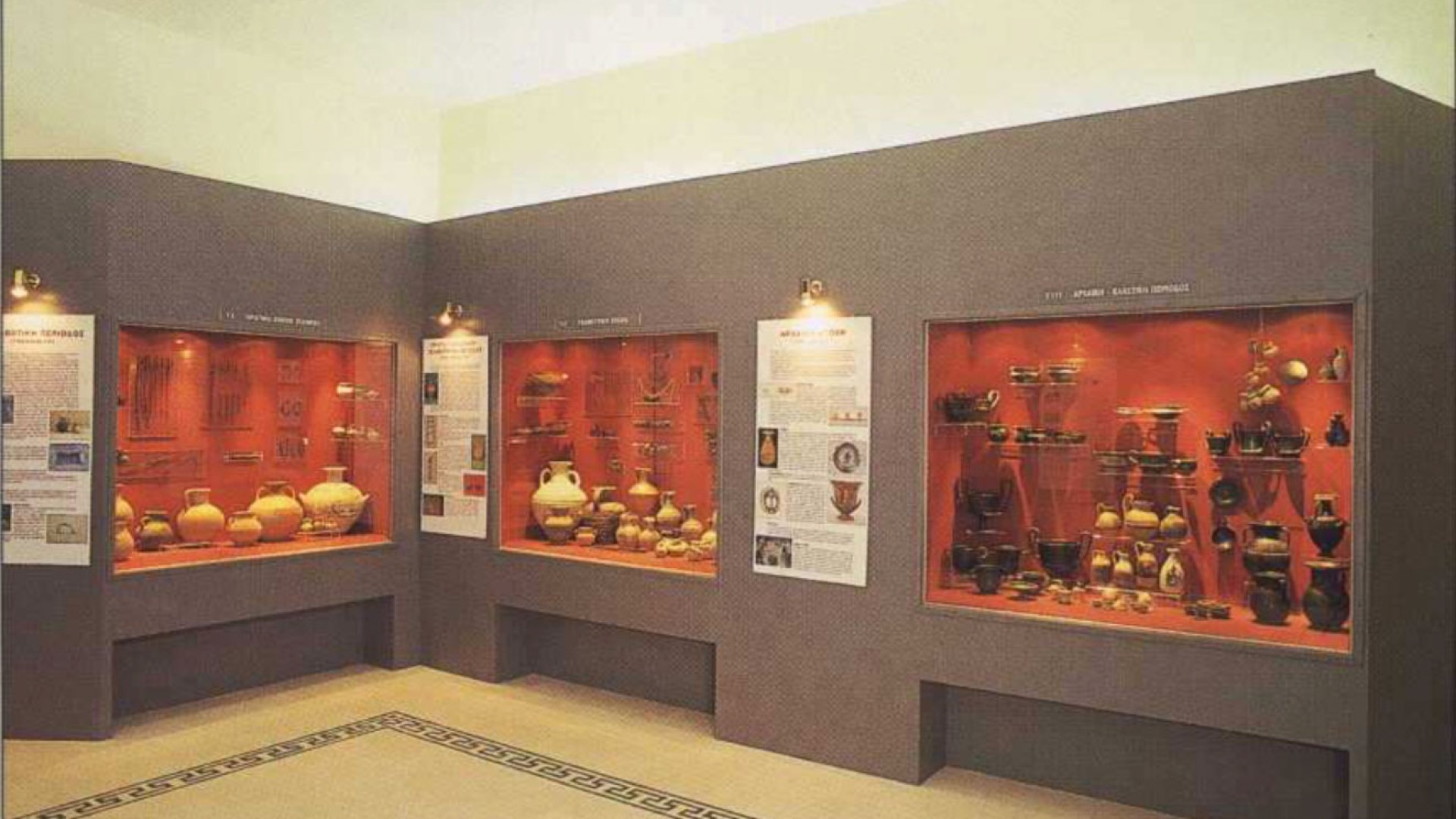
Archaeological Museum of Atalanti
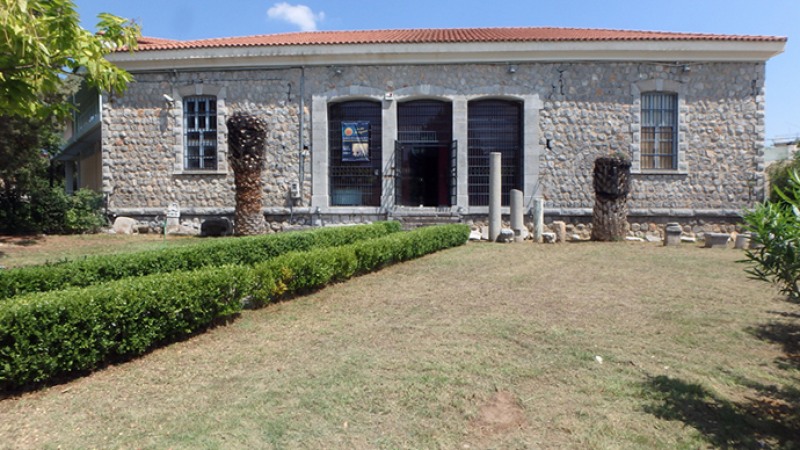
The Archaeological Museum of Atalanti is housed in the historic building of the old Gymnasium of the town, a protected heritage structure.
It is an important cultural site in the region of Phthiotis, showcasing archaeological finds from Locris and the northeastern part of ancient Phocis, covering a long chronological span from prehistoric times to the Roman period.
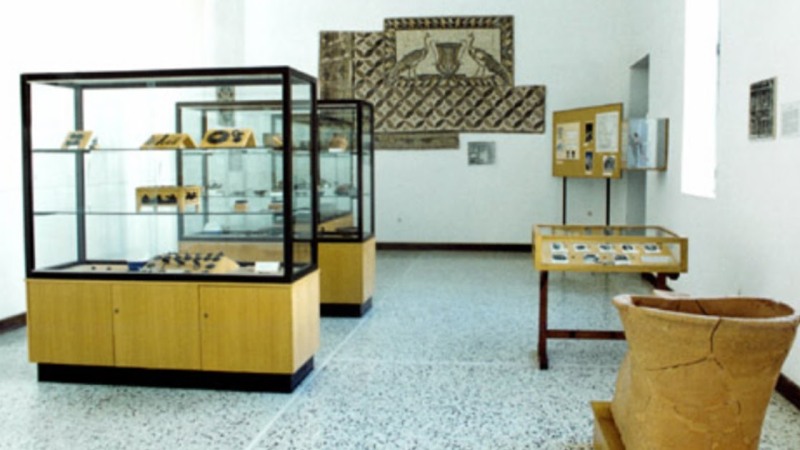
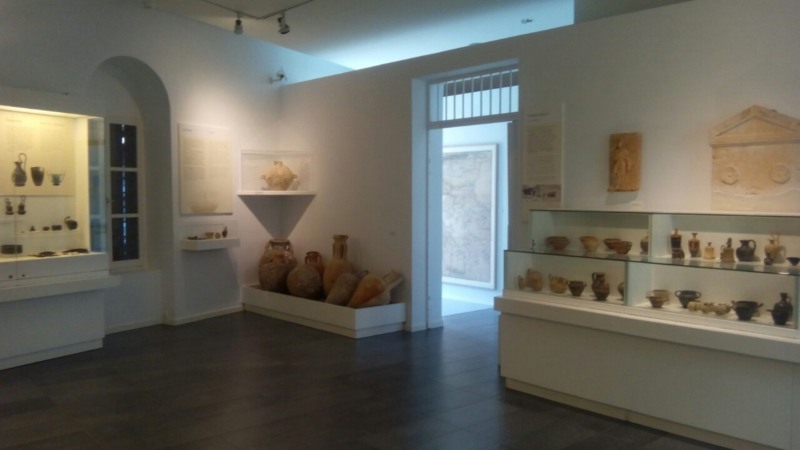
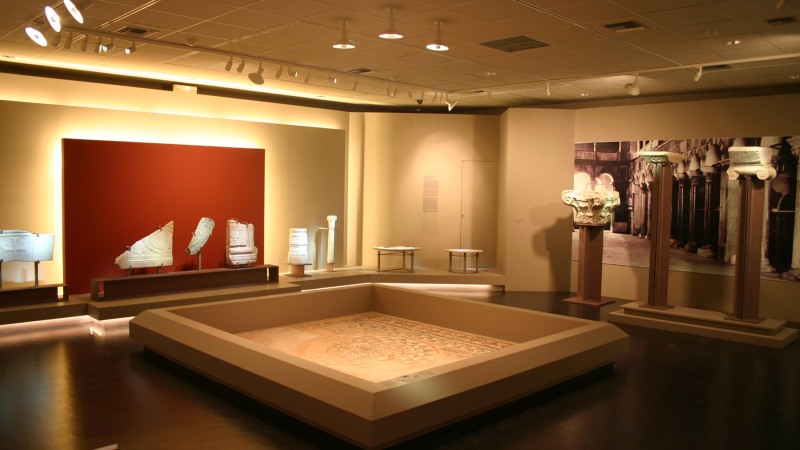
The permanent exhibition is organized across three main halls and the central corridor of the building, with the material arranged both chronologically and thematically. A significant part of the collection consists of stone artefacts, funerary stelae, and sculptures, including a notable Roman torso of a military commander. The exhibits also include material from the Neolithic period, the Bronze Age, the Mycenaean era, the Geometric and Archaic periods, as well as rich finds from the Classical, Hellenistic, and Roman periods.
Particular interest is drawn to the finds from the settlement of Proskynas and the cemetery of Kynos, which include objects reflecting everyday life, seafaring activities, and the social organization of the region. The collection also features coins from Locrian and other regional mints, tools related to ancient professions, as well as artefacts connected to women, children, and funerary customs.
The museum also includes thematic sections dedicated to ancient technology and daily life, while the courtyard displays stone architectural members and additional finds. The building has been restored and adapted for museum use, ensuring accessibility and modern facilities while preserving its historical character.
Today, the Archaeological Museum of Atalanti stands as a significant cultural institution that highlights the rich archaeological heritage of the area and contributes to a deeper understanding of the historical development of Locris through the centuries.