Byzantine Museum of Phthiotida
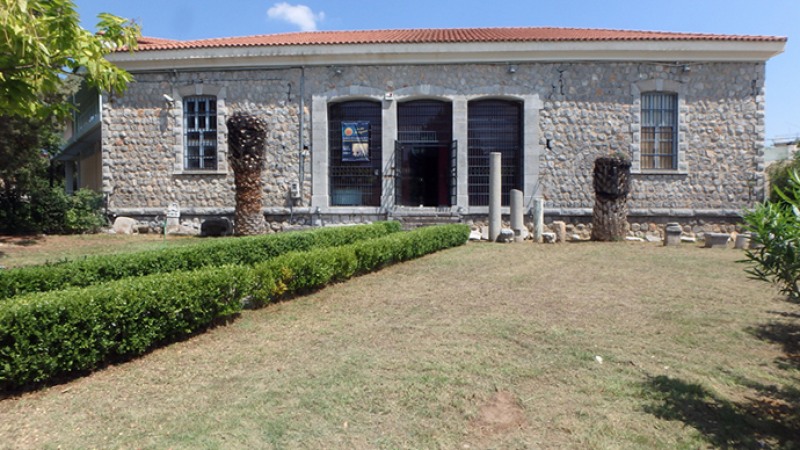
The Byzantine Museum of Fthiotida is located in the town of Ypati, in the regional unit of Fthiotida in Central Greece.
It is a historical museum dedicated to the Byzantine heritage and history of the wider region, covering the period from Late Antiquity to the Ottoman era. Through its exhibits, the museum highlights the cultural, religious, and everyday life of local communities during the Byzantine centuries.
The museum is housed in a two-storey former military barracks building, constructed in 1836. Originally used as a border guard station, the building later served various public functions, including that of a school after the incorporation of Thessaly into the Greek state in 1881. It fell into disuse during the 1960s and gradually deteriorated. In the 1990s, however, a restoration project was launched with the aim of transforming it into a museum. Restoration works were carried out in stages by the 7th Ephorate of Byzantine Antiquities, with the ground floor completed in 2004 and the upper floor later funded through European Union programmes. The museum opened to the public in 2005 and was officially inaugurated in 2007.
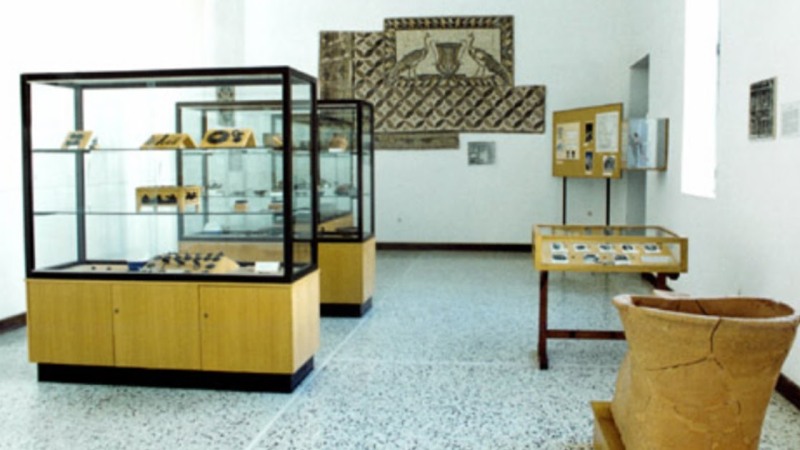
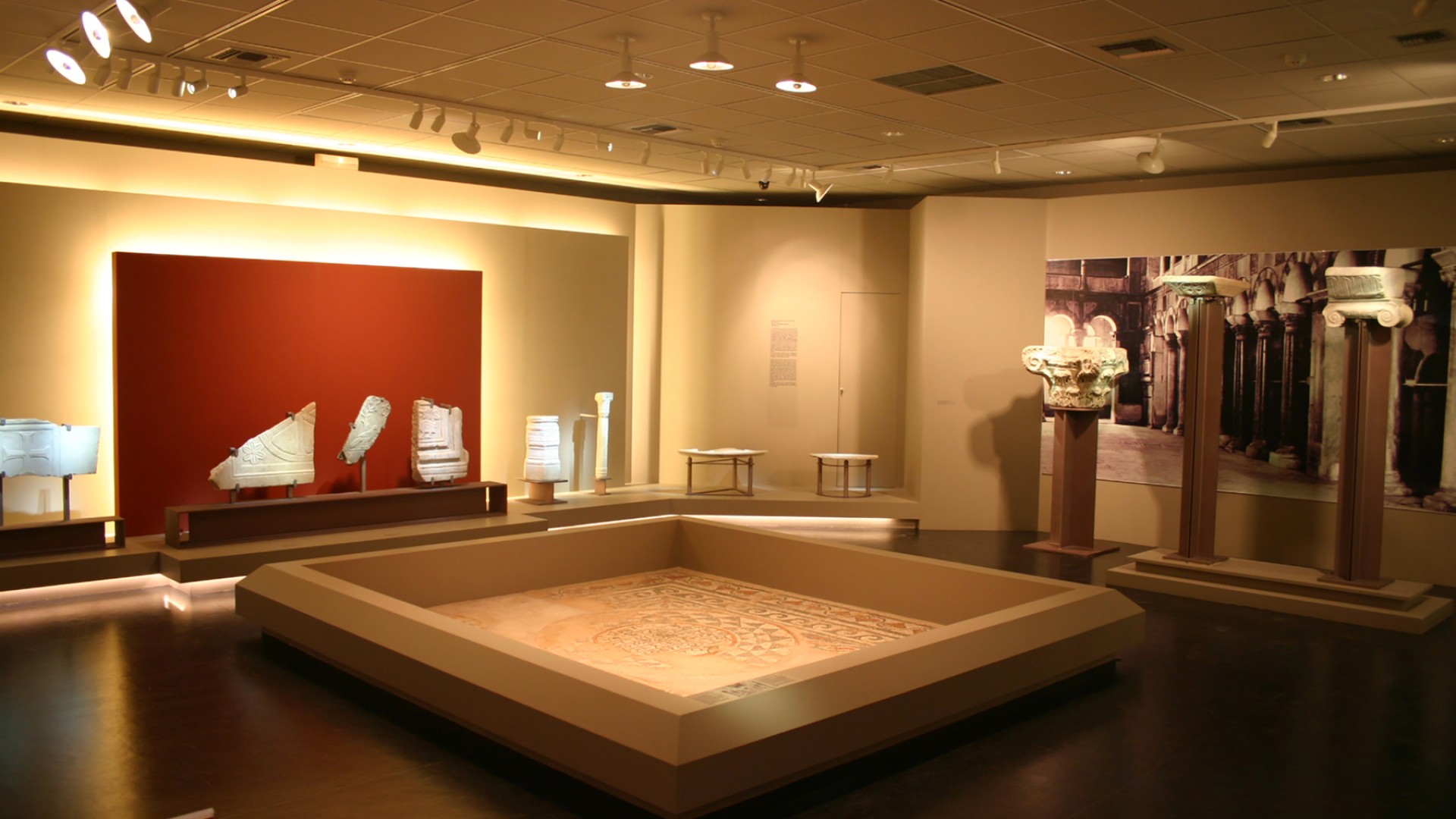
The exhibition is organised across two levels. The ground floor is dedicated primarily to Byzantine mosaic art, showcasing important examples from sites such as Pelasgia, Achinos, and Loutra Ypatis. It also presents the techniques and materials used in mosaic production, offering visitors insight into ancient artistic practices.
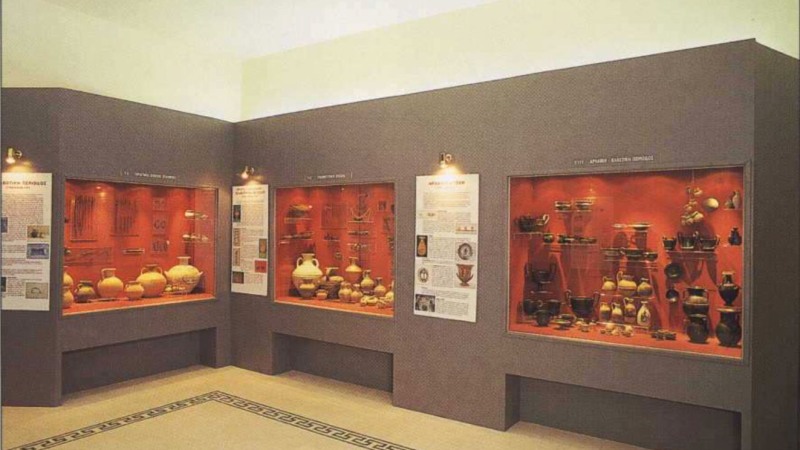
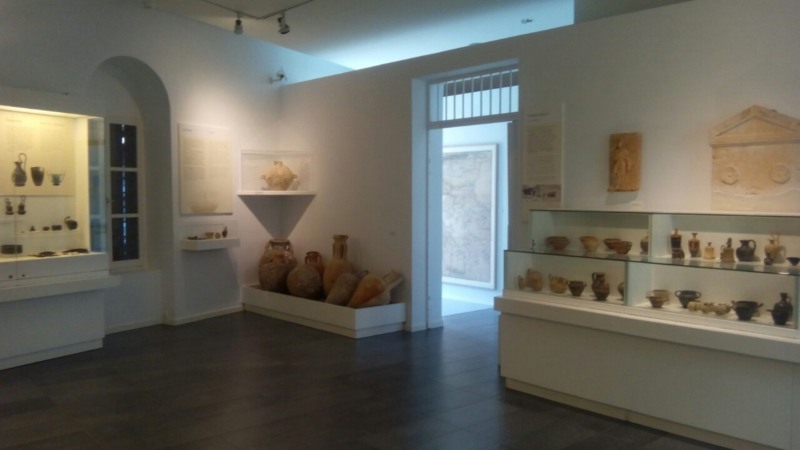
On the first floor, the exhibition focuses on the broader historical and cultural development of Fthiotida during Byzantine times. The northern hall is devoted to early Christian ecclesiastical architecture, displaying architectural fragments from basilicas as well as everyday objects from the period. The central hall presents the numismatic history of the region, including coins ranging from Ancient Greece to the Sasanian Empire and more modern periods, as well as the private collection of Konstantinos Kotsilis. The southern hall exhibits sculptural works originating from local churches, such as the marble templon from the Church of the Taxiarchs in Agnanti.
Overall, the Byzantine Museum of Fthiotida offers a comprehensive overview of the region’s Byzantine past, combining architecture, sculpture, mosaics, and numismatics to reconstruct the historical identity of Central Greece through the centuries.