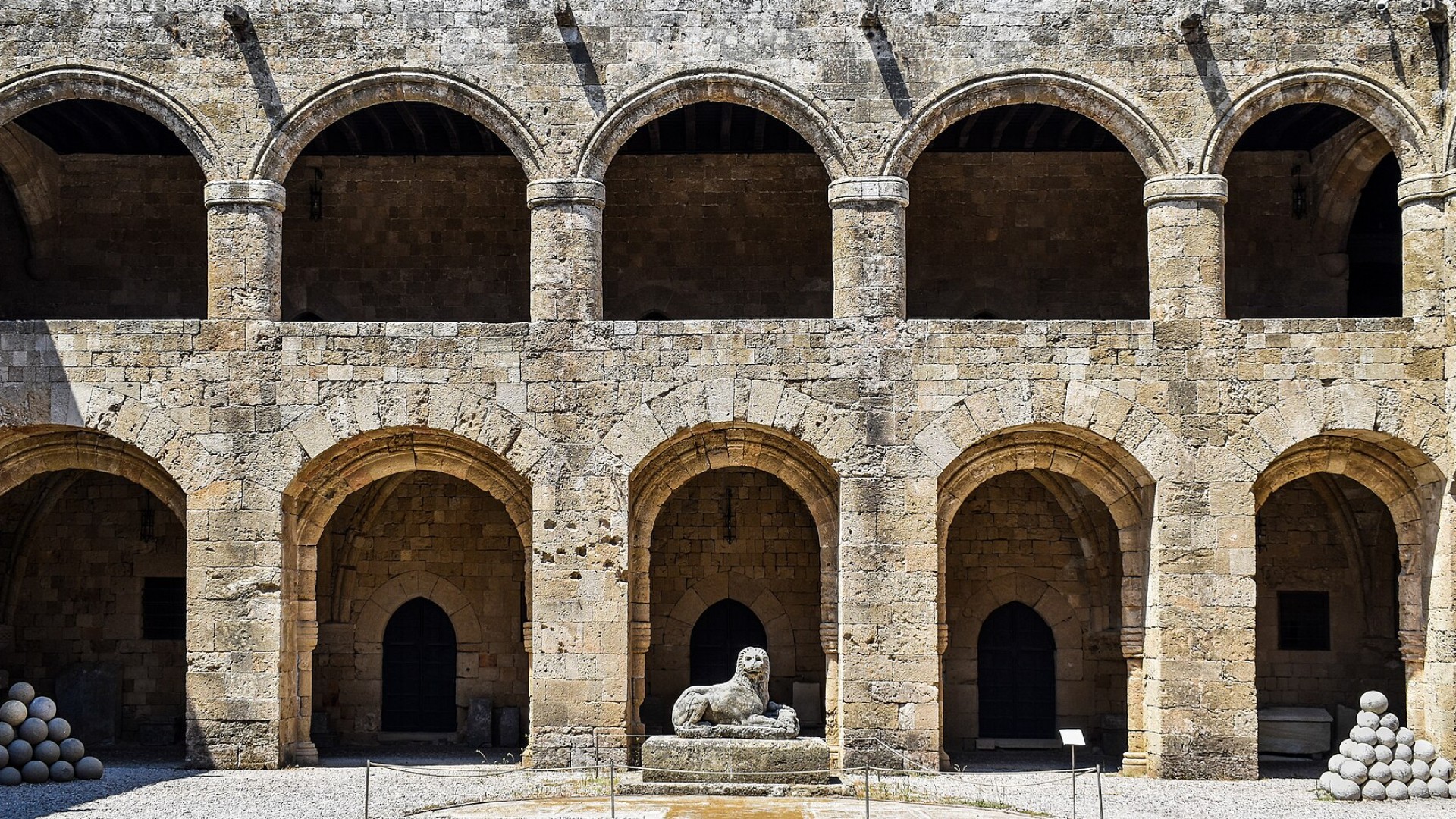
Archaeological Museum of Rhodes
The Archaeological Museum of Rhodes is one of the most important museums in Greece and is housed in the impressive medieval building of the former Hospital of the Knights of Saint John, located in the Medieval City of Rhodes.
Archaeological Museum of Rhodes contains rich collections of archaeological finds from Rhodes and the Dodecanese, most of which come from excavations carried out during the Italian rule of the islands. The museum’s exhibits cover a long historical span, from the Mycenaean period to Roman times.
The permanent collections include Mycenaean jewellery, pottery, and small objects from tombs in the ancient cities of Ialysos and Kamiros, as well as sculptures from the Classical and Hellenistic periods. Particularly important are the Rhodian coins, along with ceramic vessels such as Fikellura-type amphorae and Vroulia cups, which reflect the high artistic production of ancient Rhodes.
Among the most notable exhibits are the famous Crouching Aphrodite, a marble statue inspired by classical Greek sculpture, and the monumental Head of Helios, an iconic work of Rhodian sculpture that reflects the island’s distinctive artistic style. The museum also displays funerary stelae, reliefs, and Roman portrait sculpture.
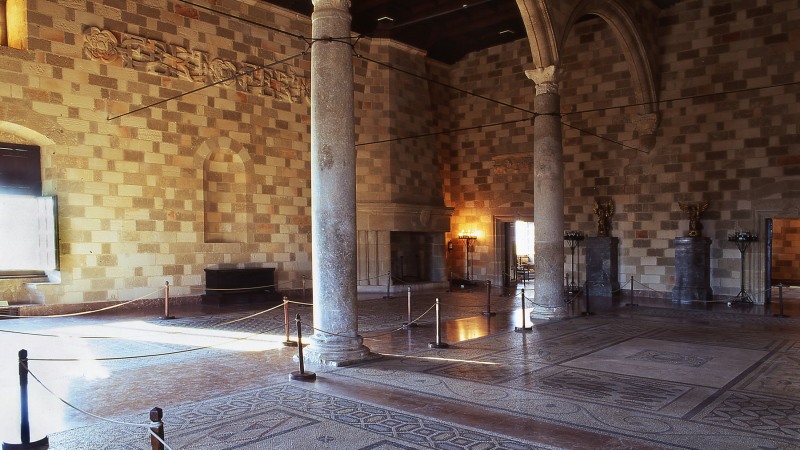
The building itself is a historic monument of Gothic architecture with Renaissance elements. Constructed in the 15th century, it features an internal courtyard surrounded by arcades. Today, the courtyard and interior spaces display mosaics from Hellenistic and early Christian villas, along with sculptures, heraldic emblems of the Knights, and architectural remains that connect the ancient and medieval history of Rhodes.
The museum plays a central role in preserving and presenting the archaeological heritage of Rhodes, offering insight into the island’s cultural development from prehistory through antiquity.