Archaeological Museum of Thessaloniki
The Archaeological Museum of Thessaloniki is one of the most important museums in Greece and a key cultural institution of northern Greece.
It is located in the city centre of Thessaloniki, near the grounds of the International Fair (HELEXPO), and it serves as a major centre for the preservation and presentation of the archaeological heritage of Macedonia.
The museum was officially inaugurated in 1962, although its history is closely connected with the broader development of archaeological activity in Thessaloniki after the city’s incorporation into the Greek state in 1912. Before the construction of the present building, archaeological finds were stored and displayed in various locations, including the Government House, the Rotunda, the White Tower, and later the Yeni Tzami, which functioned as the city’s first museum space.
The current museum building was designed by the prominent Greek architect Patroklos Karantinos, a leading representative of modernist architecture in Greece. The museum was later renovated and expanded in the early 21st century, reopening in 2006 with modern exhibition spaces designed to meet contemporary museological standards.
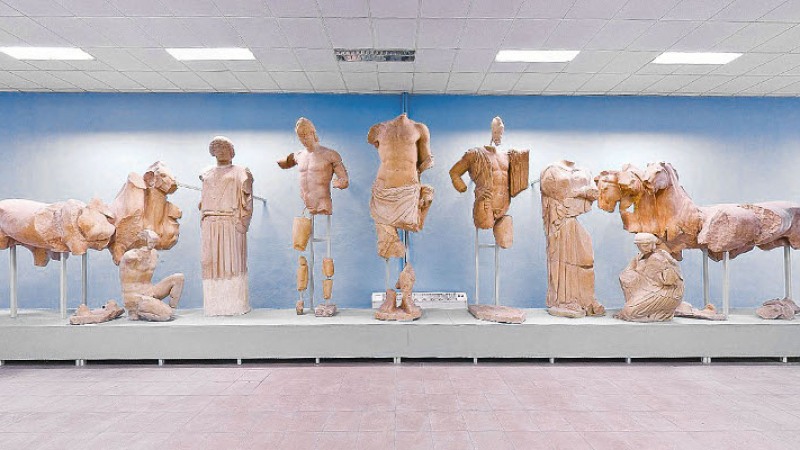
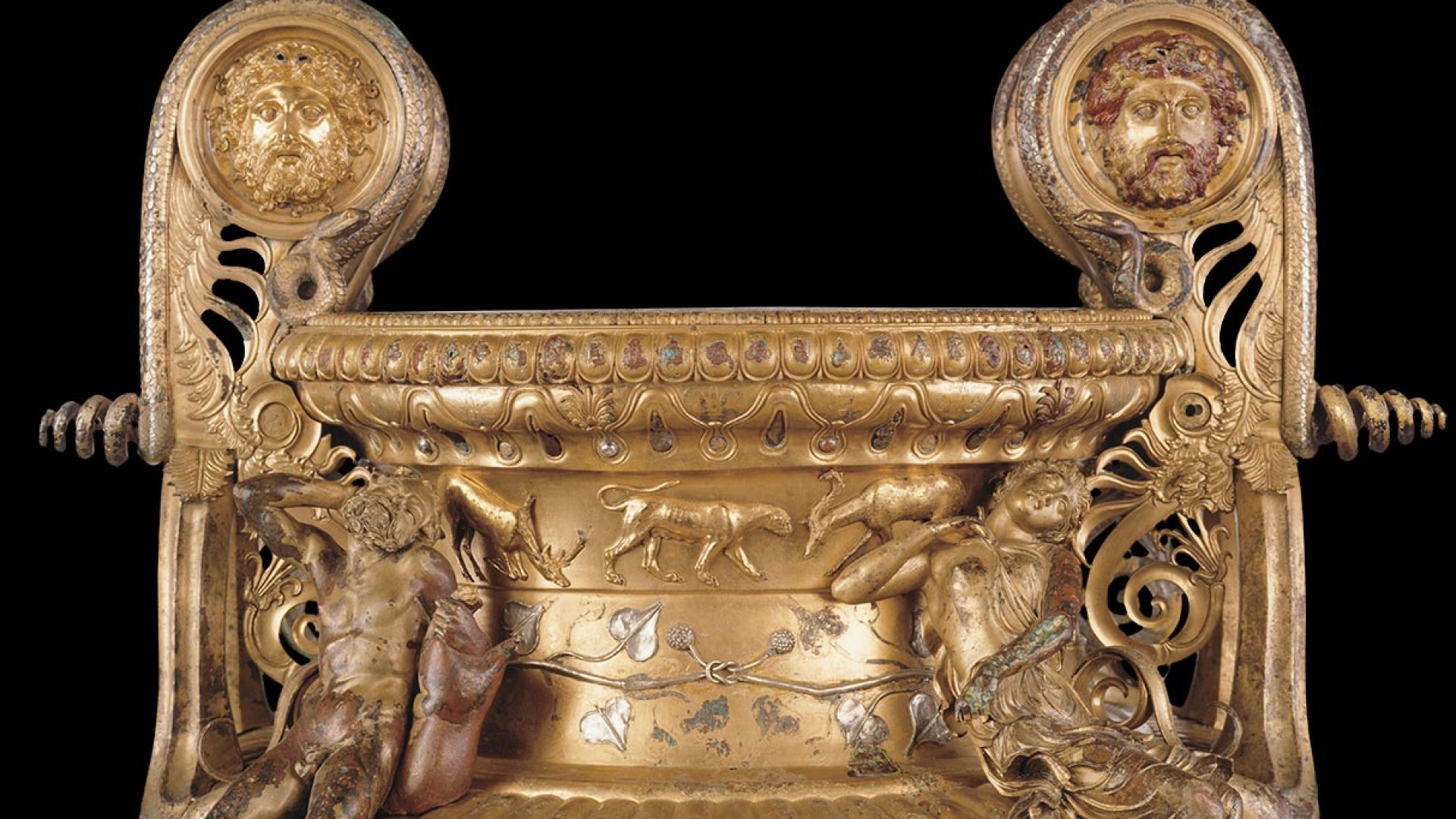
The collections of the Archaeological Museum of Thessaloniki cover a vast chronological range, from prehistoric times to the end of antiquity. They originate mainly from excavations conducted throughout Macedonia since 1912, as well as from donations and systematic archaeological research. The exhibits include ceramics, metalwork, sculptures, mosaics, funerary monuments, and artifacts from everyday life, offering a comprehensive view of ancient Macedonian civilisation.
The museum is structured into thematic galleries that present different aspects of ancient life, focusing on human activity, culture, and society. It also hosts temporary exhibitions, educational programmes, lectures, and research activities, making it an active centre of learning and cultural engagement.
Today, the Archaeological Museum of Thessaloniki functions as a modern institution open to all visitors, contributing significantly to the study, preservation, and promotion of Greece’s ancient heritage.