Crypt of Agios Demetrios
The Crypt Museum of the Church of Saint Demetrius in Thessaloniki is located beneath the historic church of the city’s patron saint and represents a unique archaeological and religious site of great significance.
According to tradition, this is the place where Saint Demetrius was imprisoned, martyred, and buried, linking the site directly to the spiritual and historical identity of Thessaloniki.
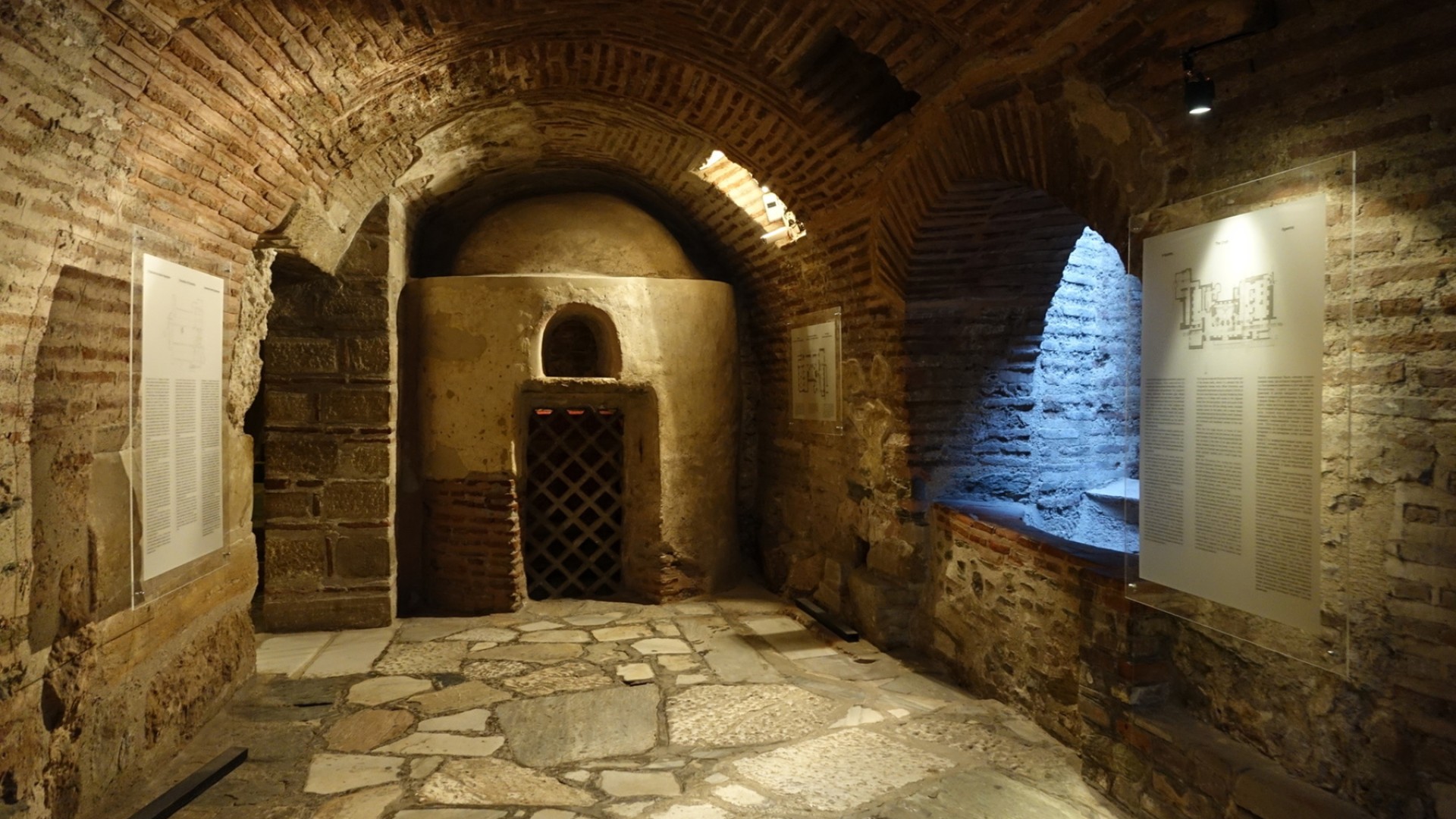
The crypt is situated in the eastern section of a large Roman bath complex that predated the Christian basilica and was gradually transformed into a place of worship from the 5th century AD, when the first major church of Saint Demetrius was built. The space includes vaulted chambers, corridors, water tanks, and a fountain, while at its center stands the Kiborio, associated with the tradition of holy water and the myrrh of the saint.
During the Early Christian and Byzantine periods, the crypt developed into an important pilgrimage site where believers honored Saint Demetrius and collected holy water from the sacred spring. After the 10th century, the tradition of myrrh became particularly significant, with the sacred substance being collected and distributed across the Christian world.
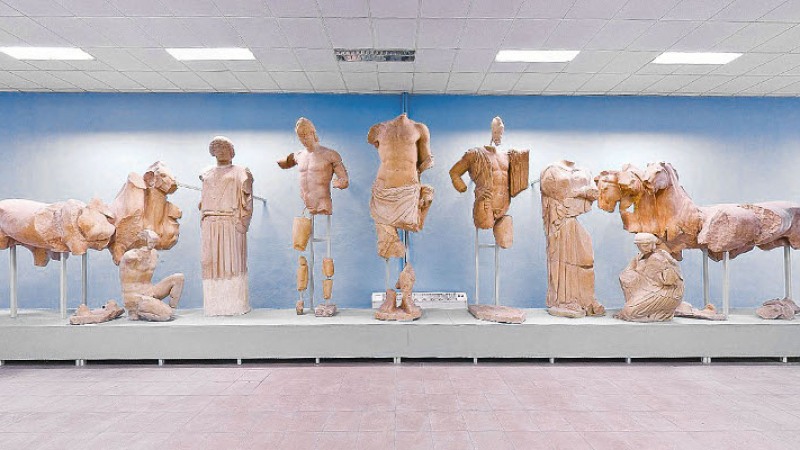
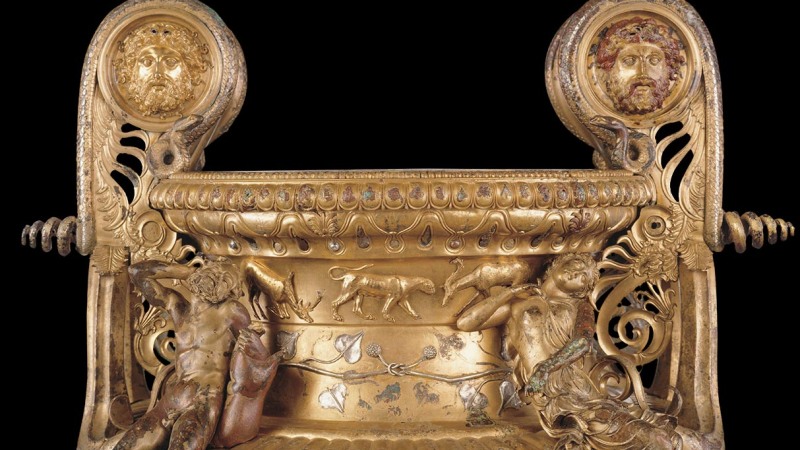
The site suffered damage and alterations during the Ottoman period and was rediscovered after the great fire of 1917, followed by extensive restoration and excavation works. Today, the crypt functions as a museum and houses important finds, including Early Christian and Byzantine sculptures as well as archaeological artifacts dating from the 5th to the 14th century, offering a comprehensive view of the historical development of the site and the veneration of Saint Demetrius.