Archaeological Museum of Thebes
The Archaeological Museum of Thebes is one of the most important museums in Greece, renowned for its rare and often unique archaeological collections.
Its exhibits come from excavations across Boeotia and cover an exceptionally long historical span, from the Paleolithic period to the post-Byzantine era, illustrating the continuous cultural development of the region.
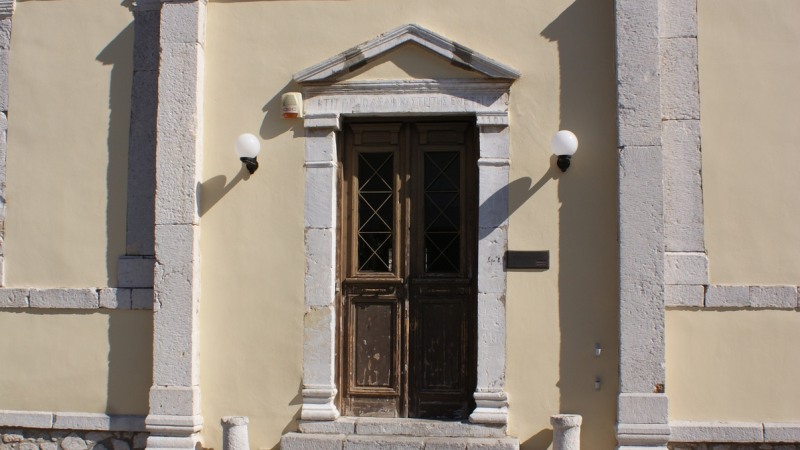
The museum has a long and complex history. The first building was constructed between 1905 and 1912, but it was later used as a military facility during World War II and eventually demolished in the 1950s. A new museum building was inaugurated in 1962, and after decades of development and modernization, a completely redesigned museum complex was completed and reopened in 2016.
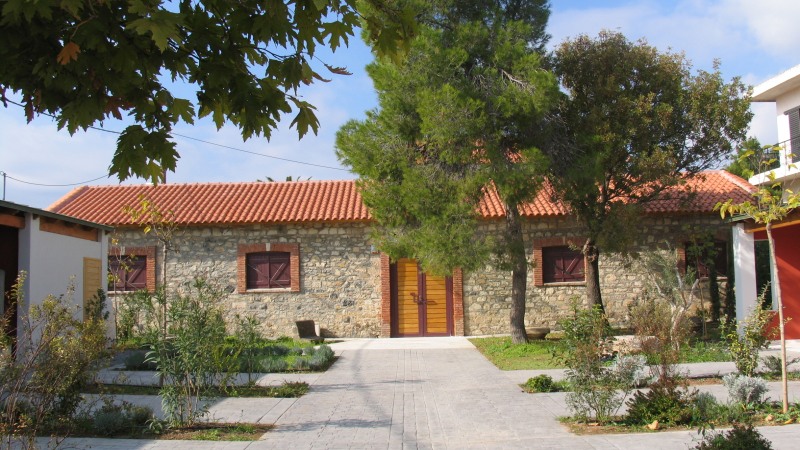
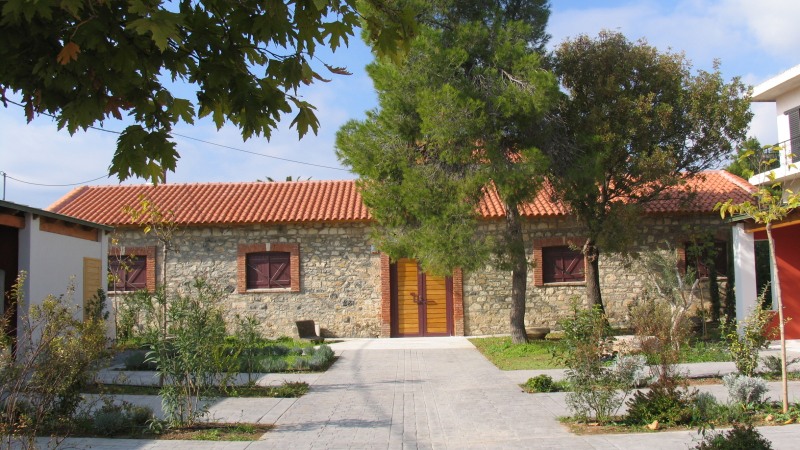
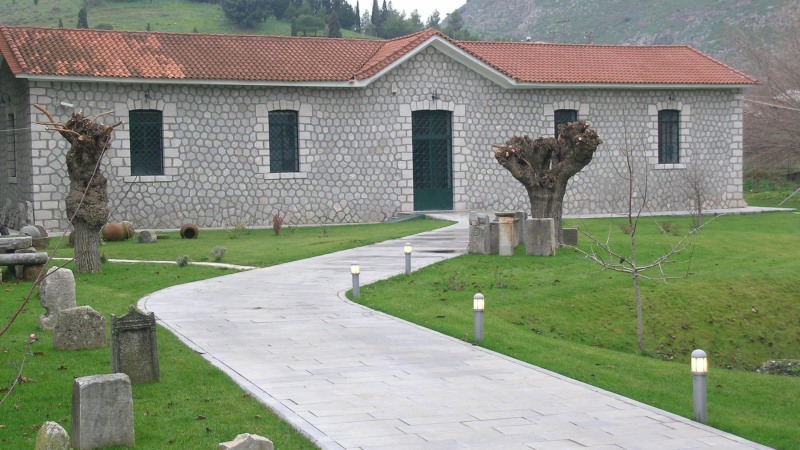
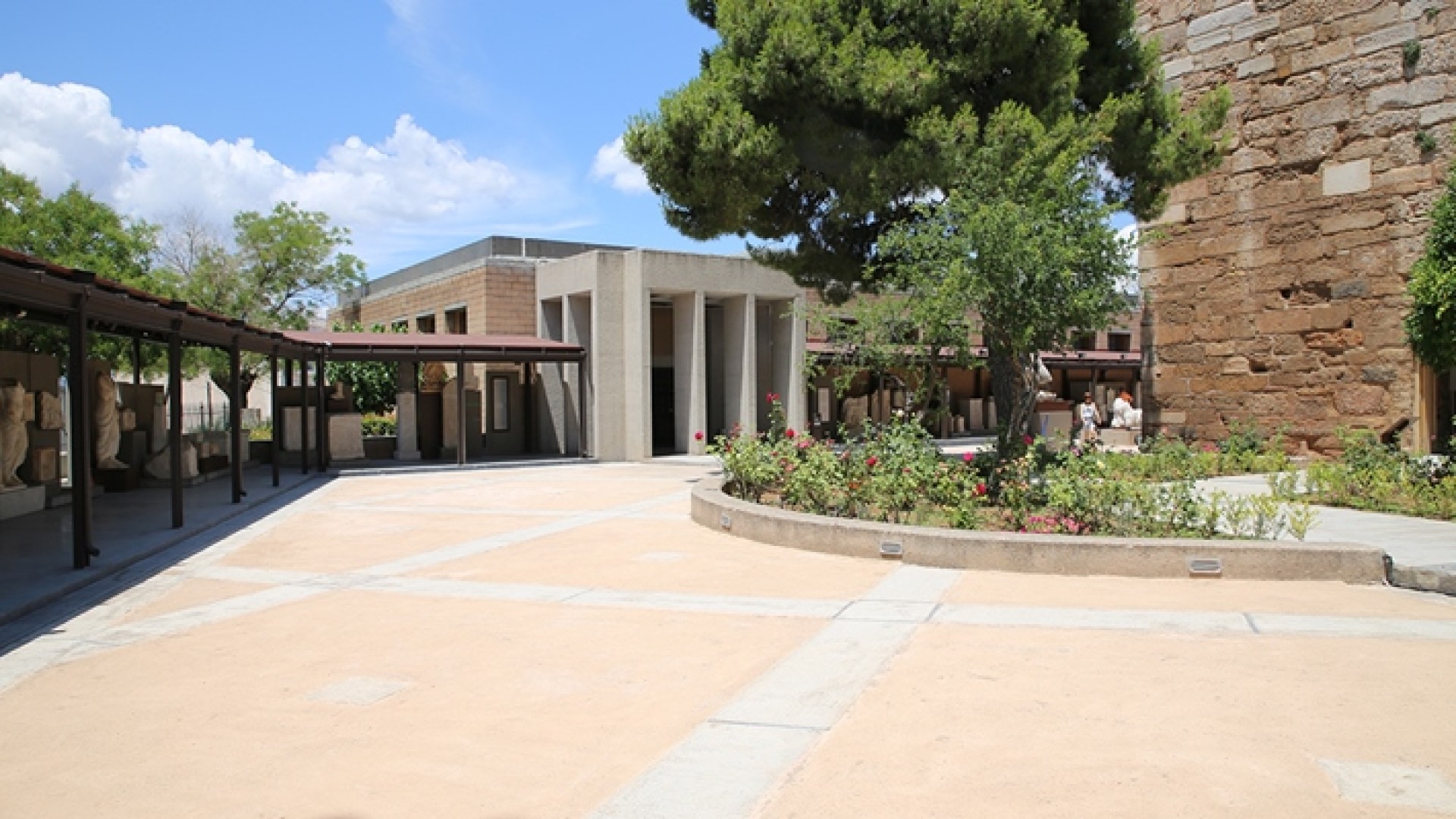
The modern museum building, designed to integrate older structures around a central atrium, includes extensive indoor, semi-outdoor, and open-air exhibition spaces. It also features conservation laboratories, study areas, storage facilities, administrative offices, and even an accessible archaeological excavation site beneath the building. A medieval tower from the Frankish period of Thebes has also been preserved and incorporated into the museum space.
The museum’s permanent exhibition is organized into multiple thematic and chronological sections, presenting the history, daily life, social organization, and cultural evolution of Boeotia from prehistoric times to the modern Greek state. Special sections also highlight the museum’s own history, local mythology, and the intellectual and cultural significance of Thebes throughout antiquity.
Among the most important finds in its collections are Mycenaean artifacts, sculptures such as the statues of Artemis and Hecate, funerary stelae, clay larnakes from Tanagra, pottery, bronze objects, and the famous seal stones from the “Treasure Room” of the Mycenaean palace of Thebes.
Today, the museum serves not only as a major archaeological institution but also as a cultural and educational center that preserves and presents the long and rich heritage of Boeotia.