Archaeological Museum of Tegea
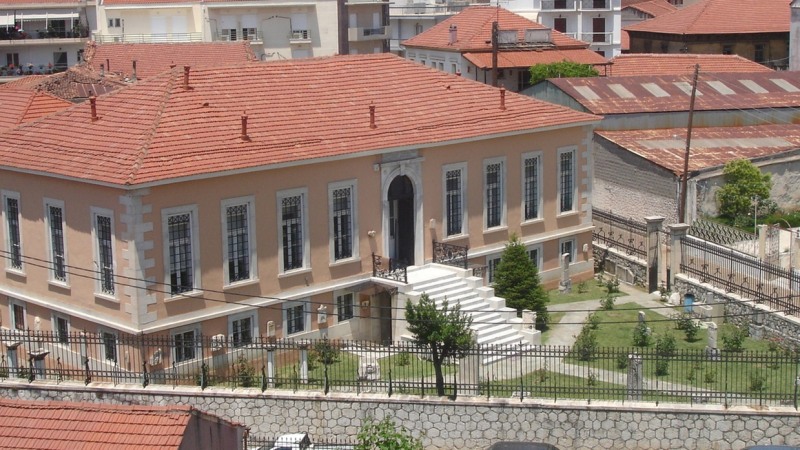
The Archaeological Museum of Tegea is one of the oldest museums in the Peloponnese and is located in the modern village of Alea, near ancient Tegea in Arcadia, Greece.
Founded in 1909, the museum presents the history, development, and cultural importance of Tegea, one of the most powerful cities of ancient Arcadia.
The museum’s exhibition focuses on the birth and evolution of the city-state of Tegea, with particular emphasis on its important rural sanctuaries. The most significant of these is the Sanctuary of Athena Alea, one of the most famous sanctuaries in the Peloponnese and a masterpiece associated with the renowned sculptor and architect Skopas.
The exhibition is organized into thematic galleries that guide visitors through the history of the region from prehistoric times to the Roman era. Gallery 1 presents finds from the Neolithic, Bronze Age, and Archaic periods, highlighting the development of the rural sanctuaries and the emergence of the city-state. Gallery 2 is dedicated to the unique Arcadian Herms, private votive offerings found exclusively in Tegea. Gallery 3 explores the life of the city during the Classical, Hellenistic, and Roman periods, including aspects of economy, religion, athletic contests, and burial customs. Gallery 4 focuses entirely on the Sanctuary of Athena Alea and its architectural and sculptural decoration.
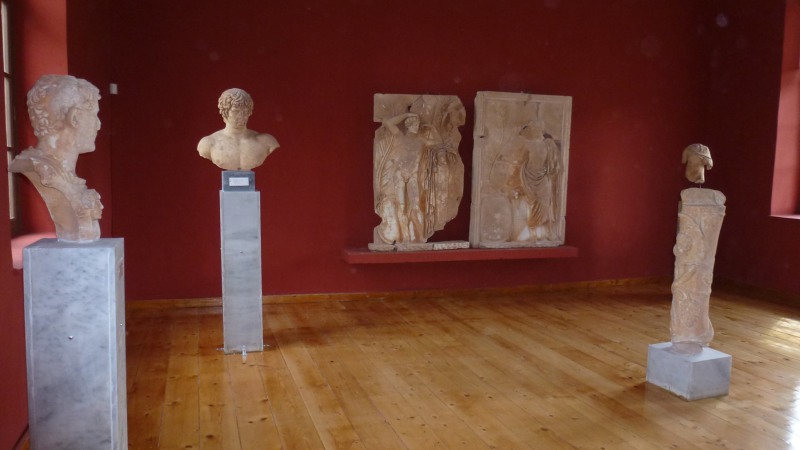
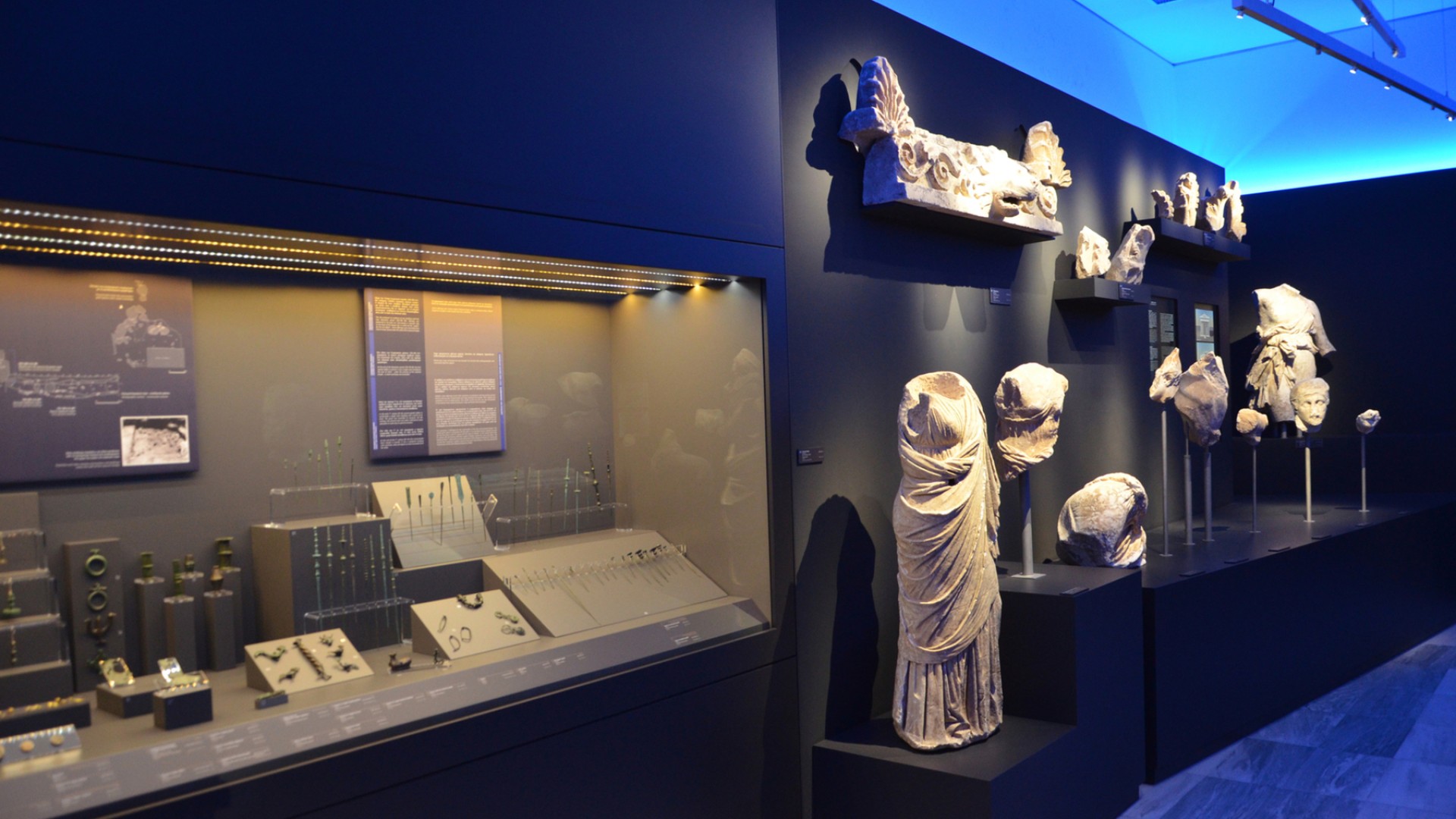
Among the museum’s most important exhibits are sculptures from the Temple of Athena Alea, including masterpieces attributed to Skopas and his workshop. Particularly impressive are the marble head of Hercules wearing the lion skin, the helmeted head identified as the hero Telephus, elegant female figures from the temple’s decoration, and richly decorated architectural elements such as lion-head waterspouts and Ionic friezes.
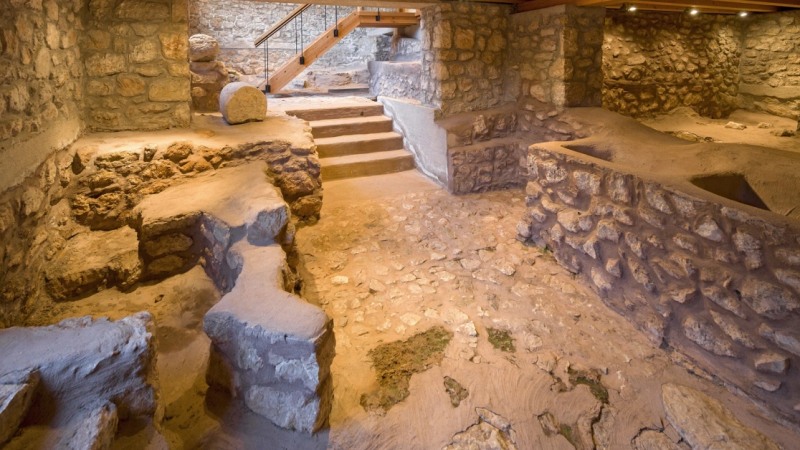
The outdoor exhibition includes inscriptions related to public life in ancient Tegea as well as funerary stelae dating from the Classical to the Late Roman period.
The museum has a long and eventful history. It was established through the efforts of Bishop Neilos and the Archaeological Society at Athens. Over the years it suffered damage, including the collapse of its roof in the 1930s and burglaries in the 1990s, during which important artefacts were stolen and later recovered. Extensive restoration and modernization projects were carried out in the 21st century, and the museum reopened to the public in 2014 with updated exhibitions and interactive digital applications.
Today, the Archaeological Museum of Tegea offers visitors a comprehensive insight into the history, religion, art, and daily life of ancient Arcadia, while showcasing some of the finest examples of ancient Greek sculpture and architecture.