Venetian Museum Naxos
The Archaeological Museum of Naxos is one of the most important museums in the Cyclades, showcasing the long and continuous history of Naxos from the Late Neolithic period to Early Christian times (5300 BC–5th century AD).
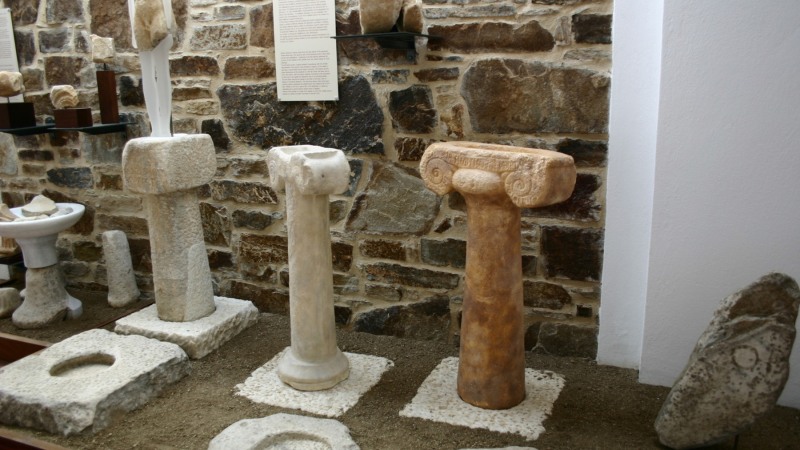
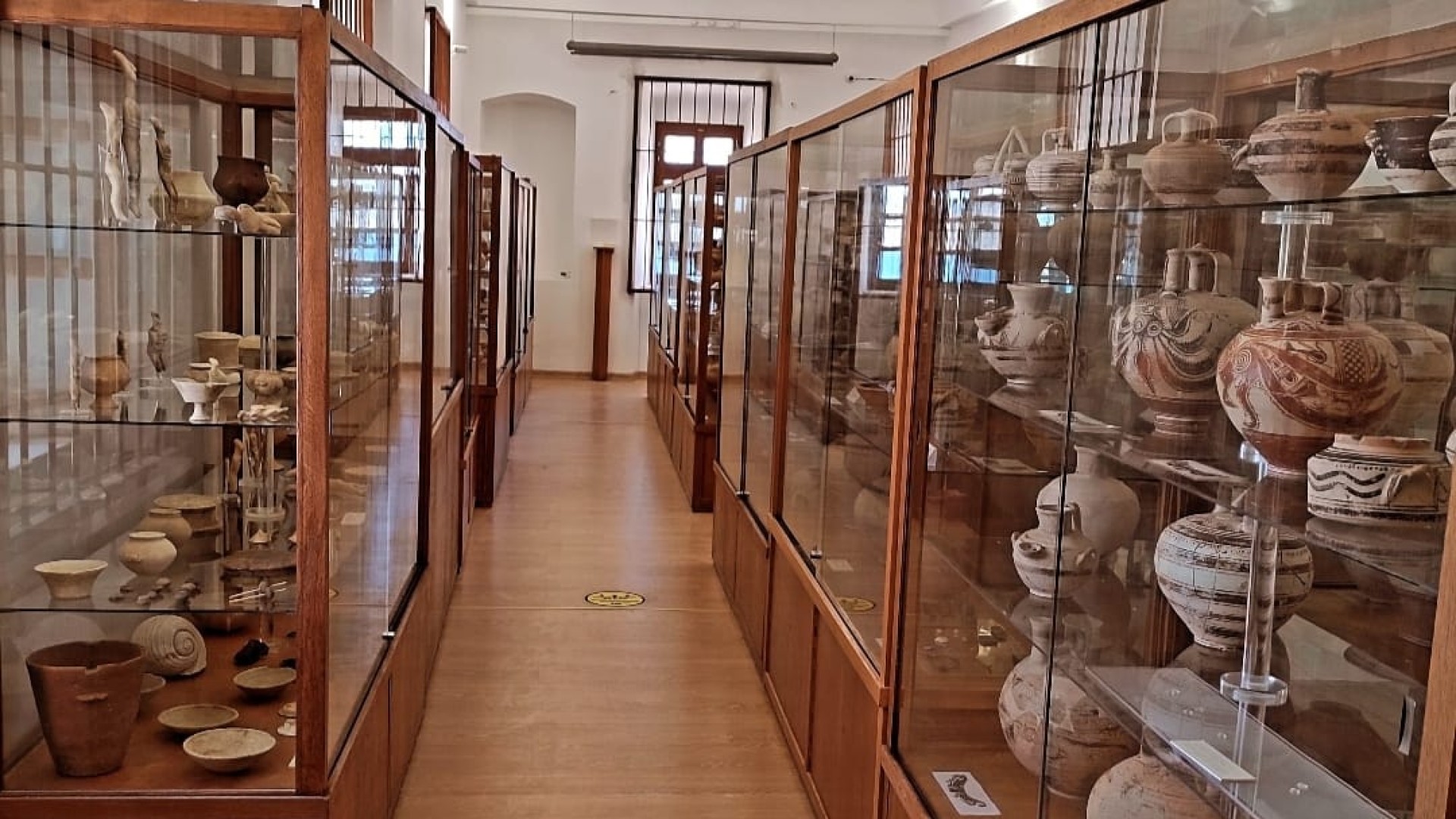
Its collections include everyday objects, pottery, sculptures, figurines, glassware, and inscriptions discovered through systematic excavations carried out on the island, especially after the Second World War. Particularly notable is its rich Early Cycladic collection, including marble figurines that are considered among the finest in Greece after those of the National Archaeological Museum in Athens.
The museum also presents material from the Mycenaean, Geometric, Archaic, Classical, Hellenistic, and Roman periods, offering a complete picture of the island’s cultural evolution over thousands of years.
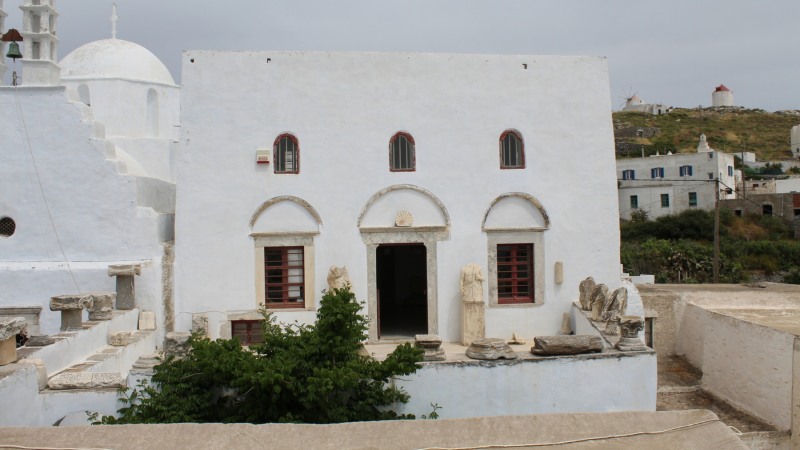
The museum building itself is historically significant. It was originally constructed between the 17th and 19th centuries during the island’s Frankish and later commercial prosperity. Over time, it served various roles, including a Jesuit school and later a well-known commercial school attended by notable figures such as Nikos Kazantzakis. Since 1973, the building has housed the Archaeological Museum, combining architectural heritage with archaeological preservation.